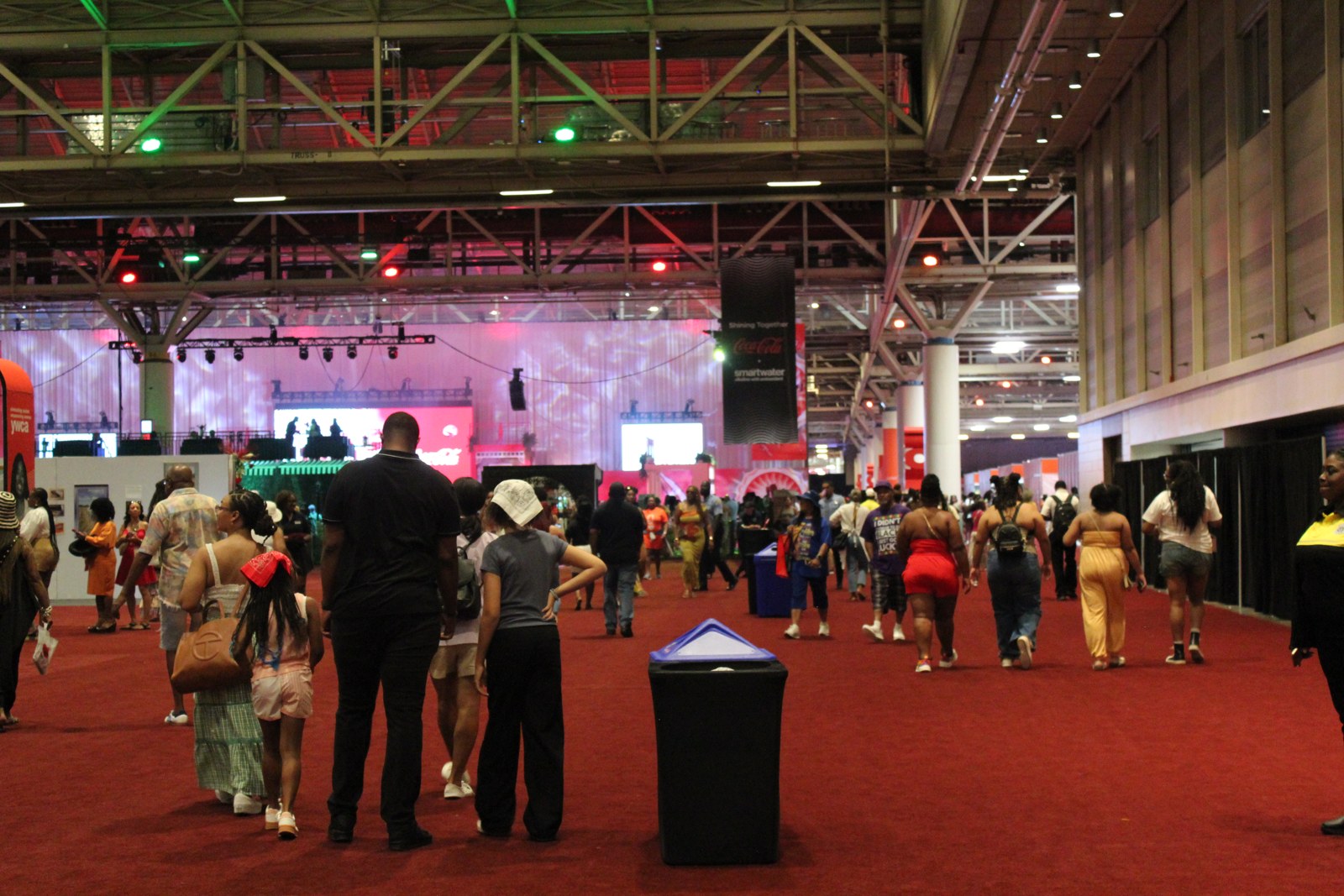
A brutal summer for hospitality: fewer shifts, fewer tips, emptier rooms
June hotel occupancy sat near 55 percent. International arrivals fell off. Workers felt it first.
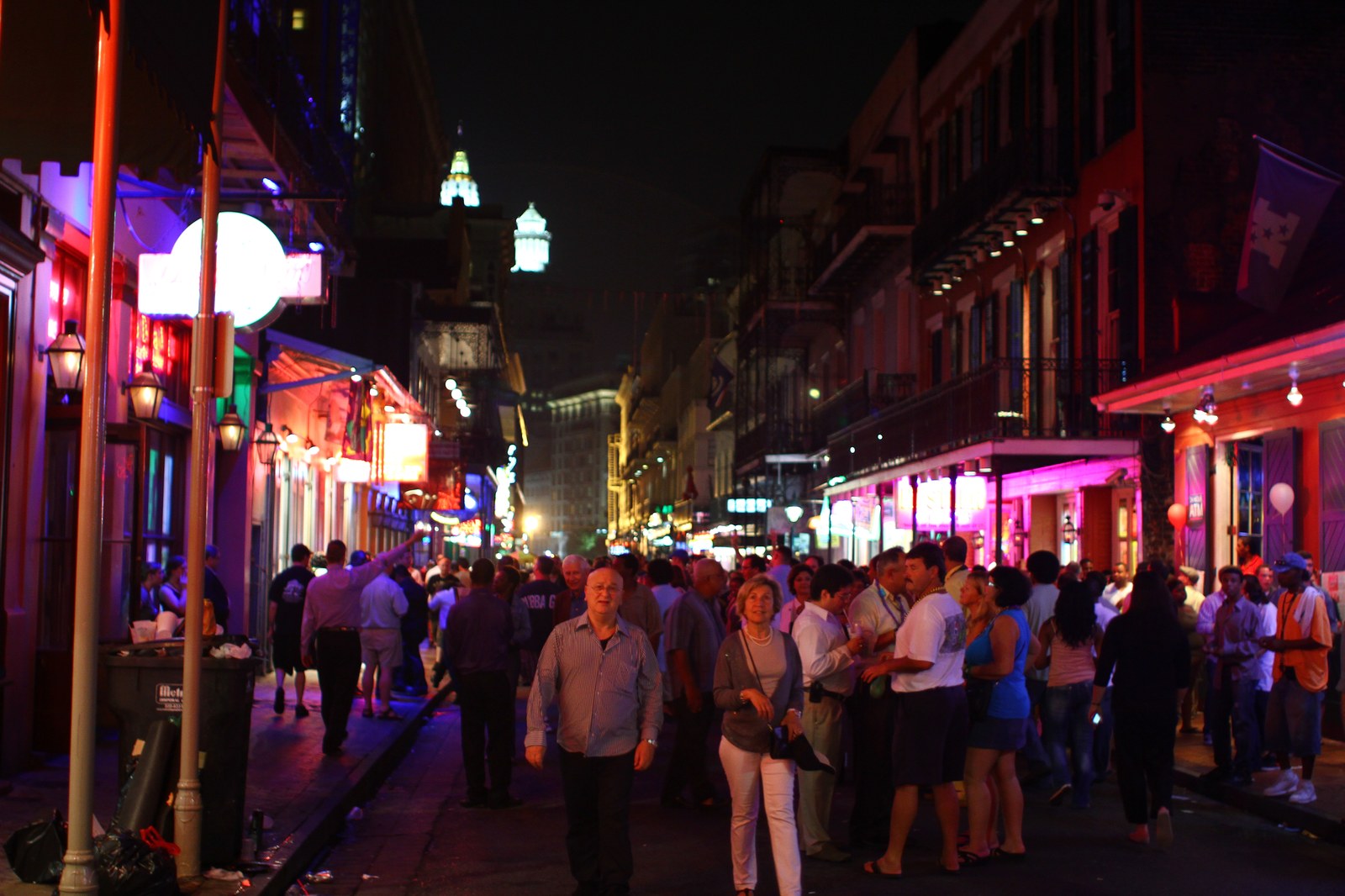
NEW ORLEANS: The summer of 2026 was brutal for the people who serve New Orleans to the world. Hospitality workers across the city reported fewer shifts and thinner tips through the hottest months, as the visitor economy that employs tens of thousands sputtered.
The numbers tell the story. Hotel occupancy in June sat around 55 percent, a soft figure for a city whose hotels are its economic engine. International deplanements at the airport fell 44.9 percent year over year in May, cutting off the high-spending visitors restaurants and bars count on.

The national context makes the local numbers look worse, not better. For the week ending August 29, the U.S. hotel industry posted its 20th consecutive week of positive year-over-year comparisons, according to CoStar. New Orleans went the other way: the steepest hotel declines among the nation's top 25 markets, with occupancy down 14.9 percent to 40.6 percent and revenue per available room down 18.4 percent to $47.50.
The missing visitors were disproportionately the international ones, the travelers who spend the most per trip. International deplanements at the airport fell 44.9 percent year over year in May, a hole in the high end of the market that restaurants and bars felt immediately.
For the workers, the downturn landed on already thin margins. The median annual wage for food-service workers in the metro was $26,000 in 2025, a figure that leaves little cushion when shifts disappear. A slow summer does not just mean smaller paychecks; for tipped workers, it means the difference between getting by and falling behind.
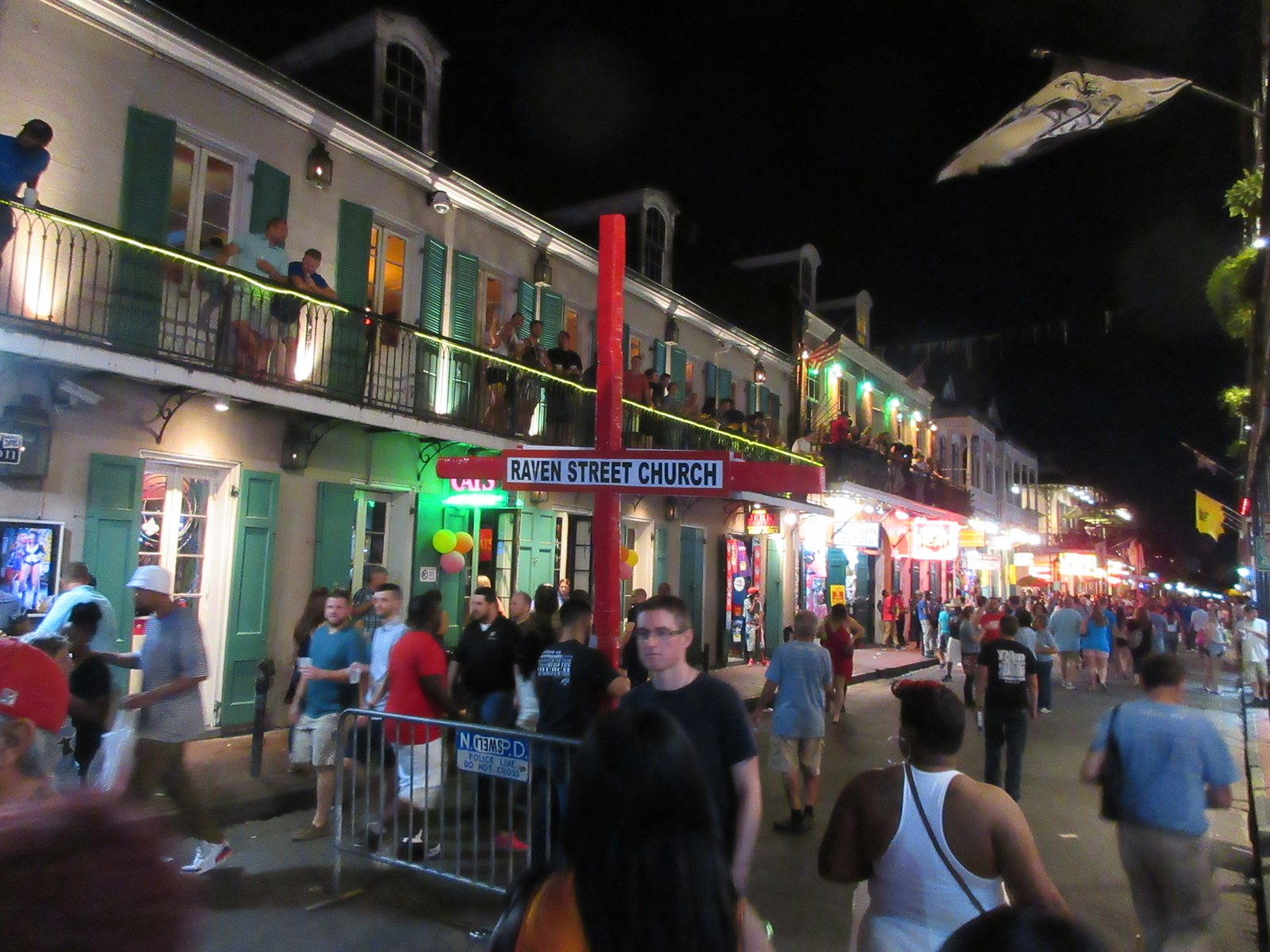
The slump complicates the city's broader fiscal picture. Hospitality and tourism taxes feed city coffers, and a weak summer reverberates into the budget debates now underway at City Hall, where the mayor's proposed 2027 spending plan already contemplates deep cuts. Late-summer data underscored the softness: for the week ending August 29, New Orleans posted the steepest hotel declines among the nation's top 25 markets, with occupancy down 14.9 percent to 40.6 percent and revenue per available room down 18.4 percent to $47.50, according to CoStar.
Industry watchers point to a mix of causes: extreme heat that discourages summer travel, economic uncertainty that has kept both domestic and international visitors home, and competition from destinations that have invested heavily in drawing the travelers New Orleans once took for granted.
Fall brings the city's high season, and with it the test of whether the summer was a blip or a trend. For the workers who carried the slow months, the hope is that the rooms fill, the tables turn, and the tips recover. The fear is that they will not.
City Hall is watching for its own reasons. Hospitality and tourism taxes feed the city budget, and a soft summer means softer revenue heading into the fall budget votes. The mayor's proposed 2027 spending plan already contemplates deep cuts; a weak visitor economy gives the council even less room to maneuver.
None to date. The Tribune corrects errors promptly and transparently. Read our corrections policy.