Port sues for control of the tanker on Saturday, November 14, as eight people remain in hospital after the American Heritage capsizing
The Port of New Orleans says the Atlantic Asphalt caused at least 1 million dollars in damage to its terminal, a judge has given federal officials control of the tanker, and the Coast Guard says moving the riverboat onto its side in the Mississippi could take weeks, starting with the removal of 16,000 gallons of fuel.
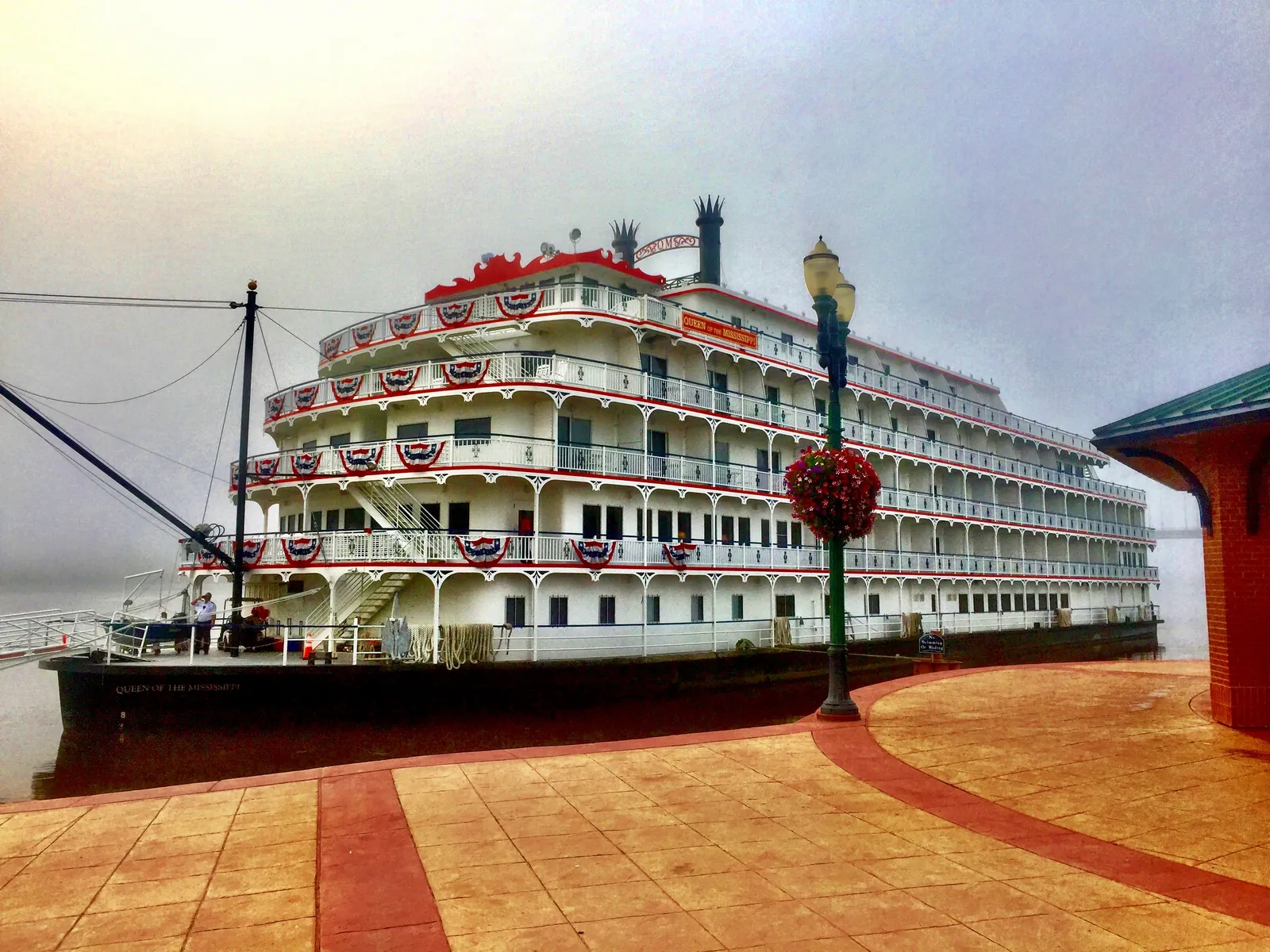
NEW ORLEANS: The legal fight over Friday's collision on the Mississippi River reached federal court within hours of the crash. In a lawsuit filed on Friday, November 13, the Board of Commissioners of the Port of New Orleans said the tanker Atlantic Asphalt caused at least 1 million dollars in damage to its terminal when it struck the docked riverboat American Heritage, and a judge issued a warrant on Friday giving federal officials control of the tanker for now, the Associated Press reported on Saturday, November 14.
The tanker is owned by Nave Shipping SA, registered in Monrovia, Liberia, and one of the defendants named in the port's lawsuit, according to the Associated Press, which cited International Maritime Organization records. The shipping tracker MarineTraffic identifies Nave Shipping as a subsidiary of the China State Shipbuilding Corporation. The Chinese state-owned conglomerate did not respond to an emailed request for comment, the Associated Press said.
Eight people still in hospital on Saturday
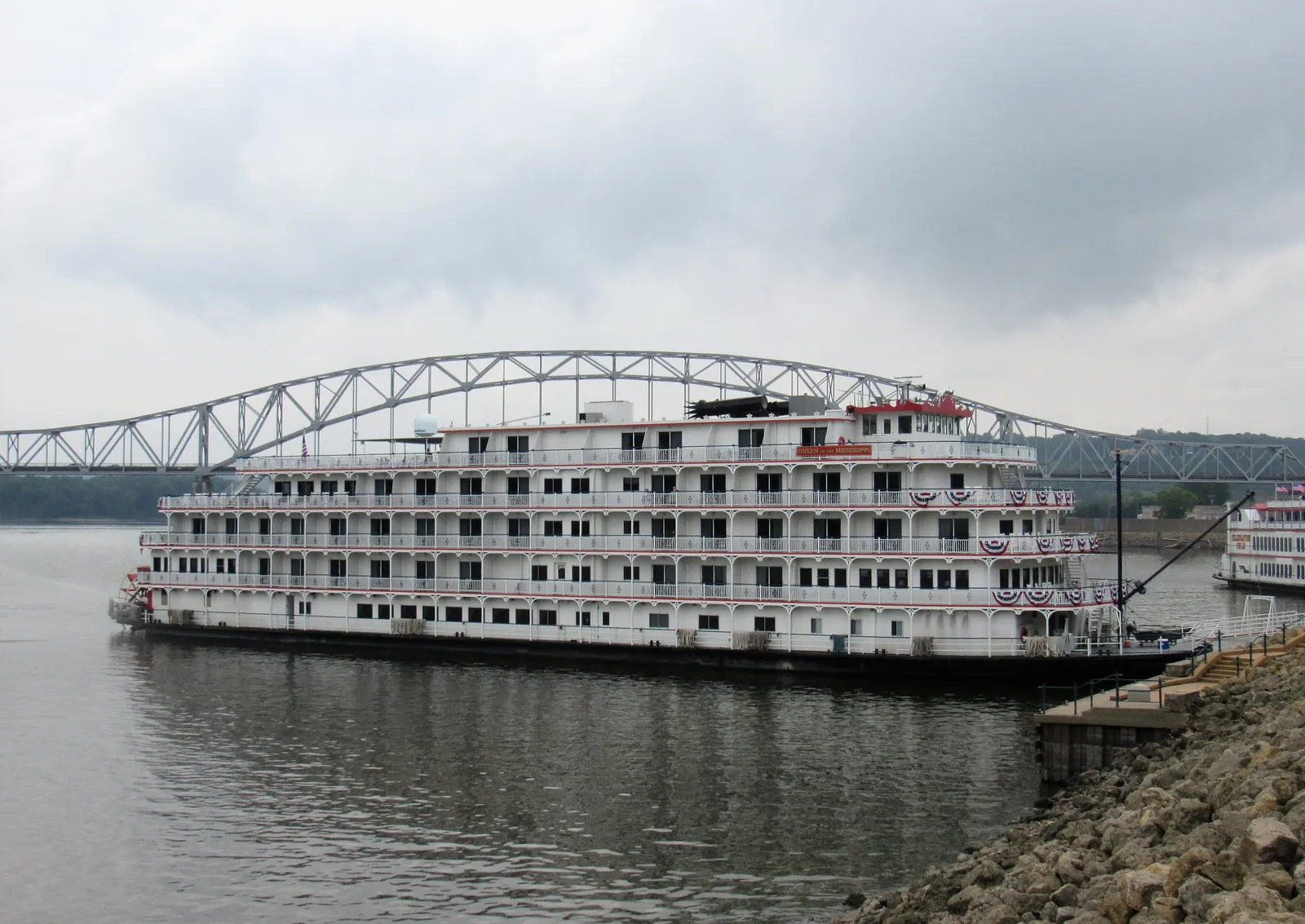
All 197 passengers and crew aboard American Heritage survived Friday's collision, as did the crew of the tanker. Thirty-two people were taken to hospital, among them two police officers who were thrown into the Mississippi River when the riverboat rolled over, and none of the injuries was critical. Eight people remained in hospital on Saturday, November 14.
American Heritage was finishing an eight-day cruise to Mississippi River destinations when the tanker struck it at its dock at about 12:30 p.m. on Friday. American Cruise Lines said in a statement on Saturday that the fast actions of Captain Leonard Stewart and the crew allowed a rapid evacuation after the strike, that Stewart stayed at his post on the bridge while the vessel went over, radioing for help and holding the riverboat against the dock for as long as conditions allowed, and that the company will work with the Coast Guard, the port and the New Orleans Police Department through the investigation and the salvage effort.
Salvage starts with 16,000 gallons of fuel
The tanker has been towed away from the site. The riverboat remains turned on its side against a terminal in the Mississippi, and moving it could take weeks, Coast Guard Capt. Melanie Burnham told reporters on Saturday. The first step in the salvage is to remove the 16,000 gallons of fuel aboard the riverboat safely, she said.
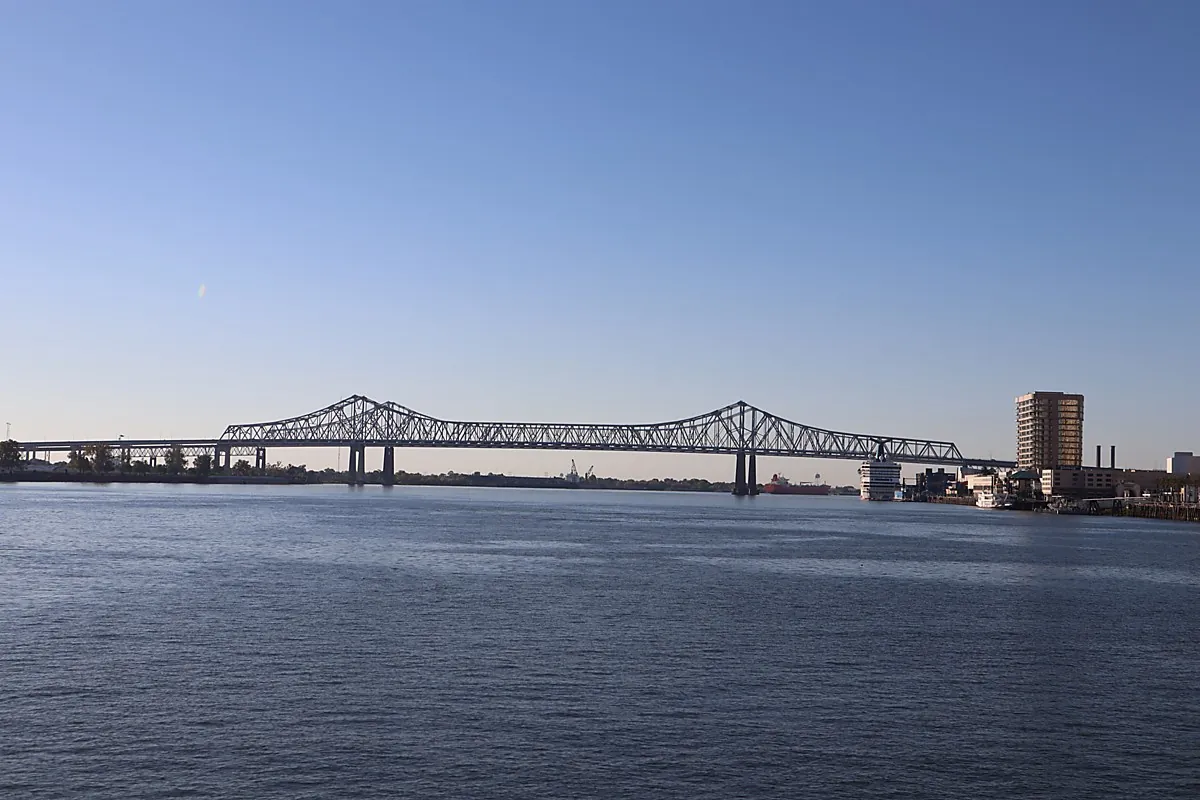
The Mississippi River was open to all traffic on Saturday, Coast Guard public affairs officer Rachel Ault told USA Today, with a 500-foot safety zone in effect around American Heritage. Traffic on the river has been limited, and Burnham said boats should soon be able to move both upstream and downstream.
Recorder recovered, cause still unknown
The National Transportation Safety Board has recovered the tanker's voyage data recorder, the device that records the vessel's speed and audio from its bridge. Board member John DeLeeuw said a preliminary report is expected within 30 days, the final report in 18 to 24 months, and a team of 16 investigators will work in New Orleans for a week on the collision.
The Atlantic Asphalt is a 520-foot vessel sailing under the flag of the Marshall Islands, with New Orleans as its final destination, and it carries asphalt and bitumen, the material used in road construction and roofing. Burnham said the tanker appeared to lose steering before the collision. The exact cause of the crash is not known, and the investigation is continuing.
None to date. The Tribune corrects errors promptly and transparently. Read our corrections policy.
