Council adopts $799 million 2027 budget, restoring $34.7 million in cuts and clearing furloughs to end
The City Council adopted a $799 million operating budget for 2027 on Thursday, putting back $34.7 million of the cuts proposed this fall for the fire and police departments, the low barrier shelter, sanitation and other services. About $27 million in reductions still take effect, 10 to 20 at-will layoffs remain, and the mayor said employee furloughs could end as early as Friday.

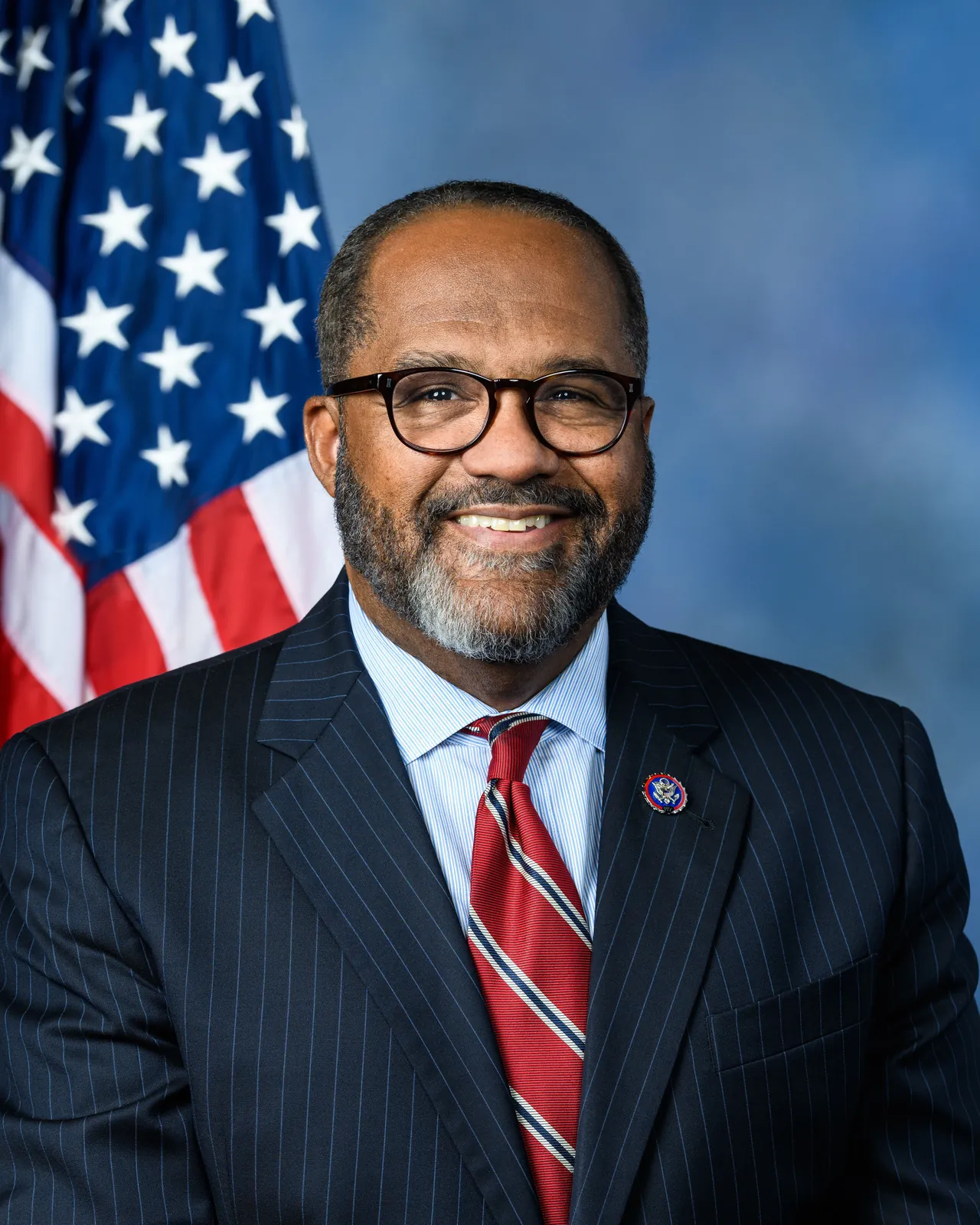
NEW ORLEANS: The City Council adopted a $799 million operating budget for 2027 on Thursday, completing a budget season that began this fall with a shortfall of $100 million or more and ending it with a plan that restores $34.7 million of the cuts the administration had proposed. Mayor Helena Moreno, speaking to reporters minutes after the vote alongside Budget Chair Lesli Harris and Council President JP Morrell, described a city entering 2027 above water for the first time in years.
The budget rests on the revised revenue forecast the Revenue Estimating Conference adopted on Tuesday. The official forecast for 2027 rose from $763,338,653 to $798,893,868, an increase of about $35.5 million. Most of the new money comes from the partial property tax millage roll forward the council approved unanimously on Nov. 5. The balance comes from sales taxes running ahead of earlier estimates, from higher fees for licenses and permits, from increased charges for city services and from revenue tied to the Omni Hotel development.
What the $34.7 million puts back
The amendment the council adopted with the budget, developed by the administration with the council, restores funding across public safety and social services. Fire Department personnel recover $7 million of a proposed $8.5 million cut, the largest single restoration. The low barrier homeless shelter recovers $4.4 million of $5 million, with the remainder expected from a third party, and civilian staffing at the Police Department recovers $4.3 million, which the mayor said spares dozens of civilian employees who support investigations from layoffs.
Sanitation personnel recover about $2.1 million and Mardi Gras cleanup its full $1.75 million. The Right to Counsel program for renters facing eviction is funded at $2 million. The District Attorney and the Public Defender each recover $1.25 million, and the restorations also reach Parks and Parkways, the mobile crisis intervention unit, victim assistance services, maternal health home visits, YouthForce NOLA, the Juvenile Justice Intervention Center and Juvenile Court, homelessness services and domestic violence prevention. The administration release that outlined the amendment before the vote listed the same departments and programs.
Furloughs to end, some layoffs remain
City employees have been furloughed one day in each pay period through 2026. The mayor said on Thursday that, after conversations with Chief Administrative Officer Joe Giarrusso and Finance Director Alyssa Rambeau, the city could announce on Friday that furloughs will end for the rest of the year. The adopted 2027 budget contains no furloughs.
The plan is not a full restoration. About $27 million in reductions still take effect in 2027, spread across agencies, and the mayor said the full list of remaining cuts will be released. Between 10 and 20 positions still face layoff, all of them unclassified, at-will jobs. The largest single remaining reduction is $19 million from the chief administrative officer's contingency fund, which leaves about $1.2 million for unanticipated costs in 2027, alongside $4.6 million from the Clerk of Criminal Court allocation and $2.5 million each from the body camera contract and from Fire Department attrition.
A different structure, and work still ahead
Administration officials pointed to the structure of the budget as the change that matters most. One-time money accounts for about 2 percent of the general fund budget, down from 18 percent in 2026, and the city has paid off a $125 million obligation without taking out a new one. Reserves have been partly replenished over the past 10 months.
Budget Chair Lesli Harris called the adopted budget a living budget, and the mayor described it as a work in progress. Under the charter amendment voters approved on Nov. 3, newly recognized revenue must be deliberated in public before it is applied to the budget, and the administration and the council say they will decide together how any new money is spent, which could reopen funding for agencies and groups that were not made whole on Thursday. One item already in development is a parcel fee that would charge nonprofit, tax-exempt property owners for stormwater and drainage; the mayor said the administration is still working on the proposal with consultants and expects to bring it forward in 2027.
None to date. The Tribune corrects errors promptly and transparently. Read our corrections policy.