Council rolls forward millages to raise $23.2 million and narrow the budget gap
The council voted unanimously on Nov. 5 to roll forward the general fund millages, a move the administration expects to bring in about $23.2 million a year and cut the 2027 budget gap from roughly $100 million to about $40 million.
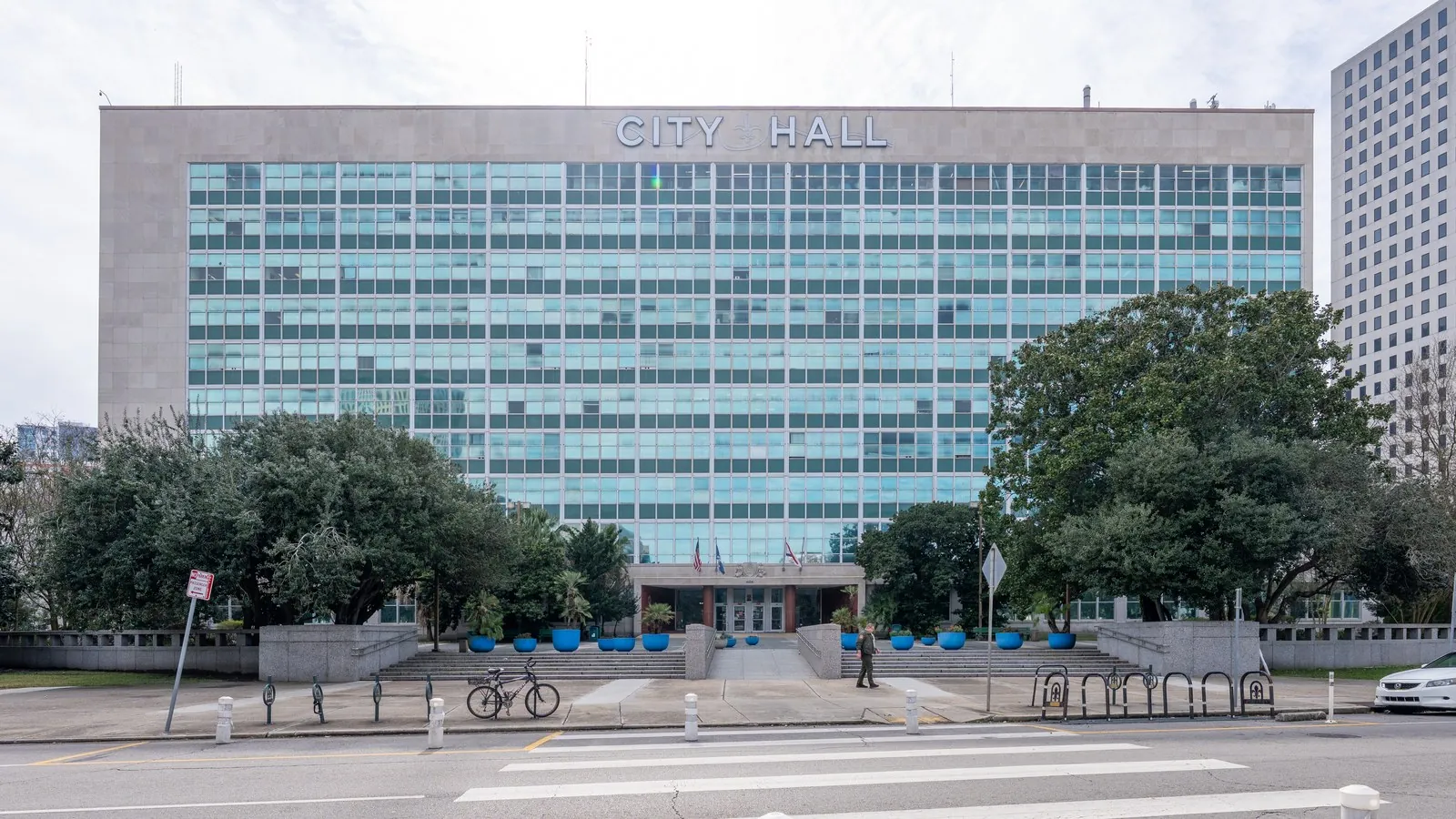
NEW ORLEANS: The City Council voted unanimously on Thursday, Nov. 5, to raise city property tax rates by rolling forward the millages that feed the general fund, acting hours after a public hearing on the tax question at City Hall.
Chief Administrative Officer Joe Giarrusso put the expected yield at about $23.2 million a year, according to broadcast reporting on the meeting. The council had opened a public hearing that morning in its chamber at 1300 Perdido Street before convening its regular meeting, where the millage items were among the measures adopted, the council said in its meeting summary.
The vote narrows the fiscal problem without closing it. City leaders have been working since budget hearings began in September to bridge a gap of roughly $100 million in the 2027 spending plan. With the added revenue counted, the remaining shortfall stands at about $40 million, which means some of the cuts proposed this fall can be taken back, while others will still have to be decided before the council votes on a final budget on Nov. 19.
A roll forward works because of how Louisiana handles reassessment. When property values rise, tax rates are adjusted downward so collections stay roughly level. A governing body may then vote to bring the rates back up, as far as the ceiling voters previously approved, after a public hearing and by a two-thirds vote. No new election is required, because the higher limit was authorized in an earlier vote.
The Committee for a Better New Orleans, in a guide it published before the hearing, gave the main operating tax as an example: the city currently levies 12.23 mills on that line, while voters have approved as much as 13.91 mills. The same guide put the full proposal in front of the council at 13 city property taxes rising by 7.44 mills in total, worth about $42 million a year, with a smaller option worth about $21 million also available to members.
The action the council actually took was the narrower one. It covered only the millages tied directly to the general fund, which is why the expected yield of about $23.2 million sits well below the ceiling described in the hearing notice the city published in October. That notice, for the full increase scenario, estimated collections of $297,337,596.11 in the next tax year against $255,082,640.68 this year, a difference of $42,254,955.43.
Only the city share of a property tax bill changes under the vote. Levies for the school board, the Sewerage and Water Board, city debt and the law enforcement district are not part of the roll forward. What an individual owner pays will turn on the assessed value of the property, and the city has posted an online calculator that estimates a bill under the different rate scenarios.
Residents who spoke at the hearing pushed back on any increase, saying many households cannot absorb a higher bill and questioning whether city assessments overstate property values. In the debate that followed, members pointed to services that added revenue could keep funded, among them citywide sanitation work, cleanup after Mardi Gras parades and special events, the low-barrier homeless shelter, public defenders, the district attorney and juvenile court, and health department programs for mothers and babies.
The tax vote sets the revenue side of the budget. The spending side is decided on Nov. 19, when the council is expected to adopt the final 2027 budget and determine which of the remaining proposed cuts, worth about $40 million, will stand.
None to date. The Tribune corrects errors promptly and transparently. Read our corrections policy.