Moreno's 2027 budget proposes a $100 million fix: cuts, one-time money, and a possible millage hike
The mayor's first spending plan closes a nine-figure gap with about $77 million in proposed cuts and $22 million in one-time sources. The council decides this fall.
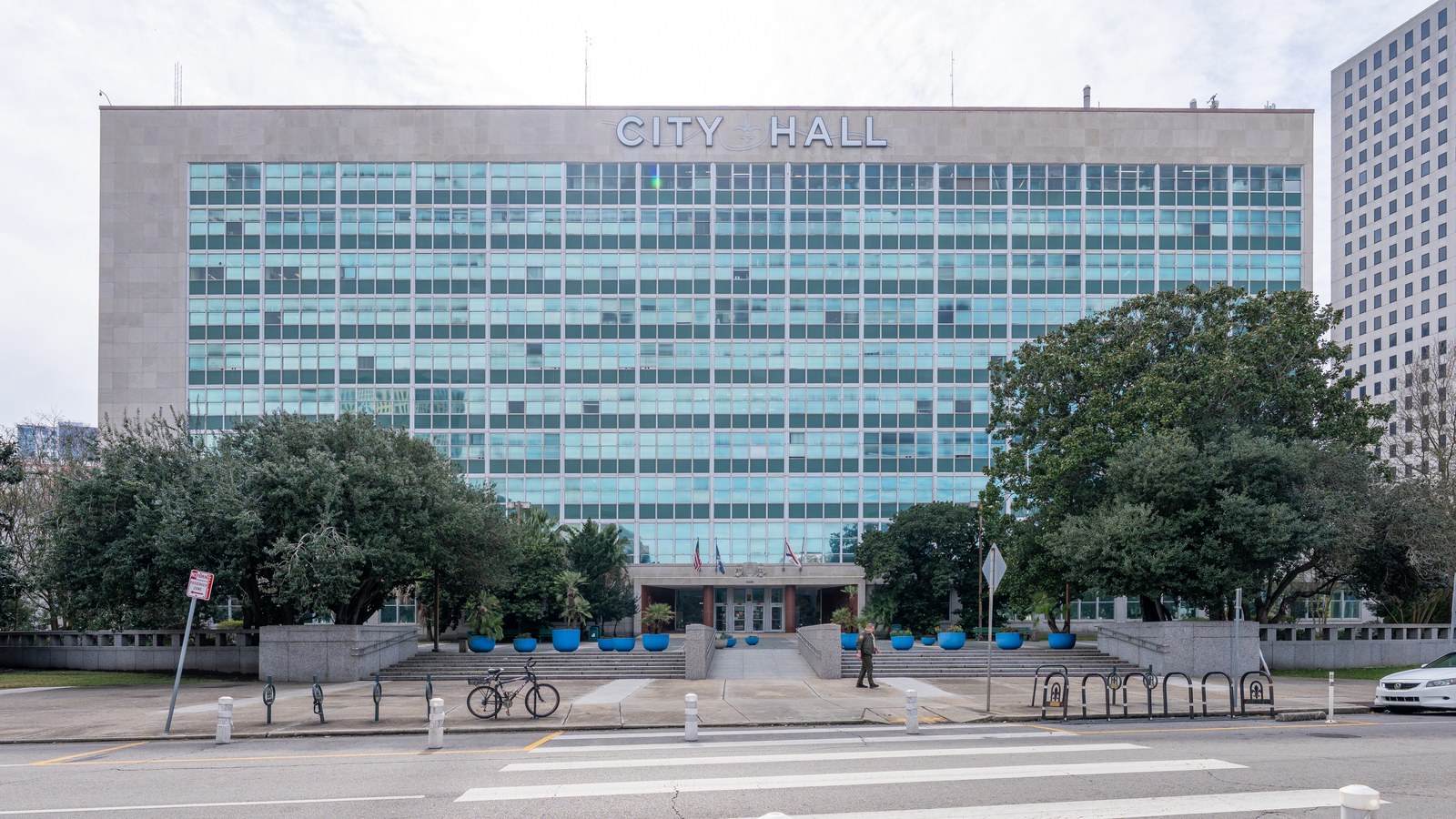
NEW ORLEANS: Mayor Helena Moreno has proposed a 2027 city budget that closes a deficit of roughly $100 million through a combination of deep recurring cuts, one-time funding sources, and the possibility of higher property taxes, setting up a difficult fall for the City Council.
The proposal calls for about $77 million in recurring spending cuts and another $22 million from one-time sources, according to reporting on the mayor's plan. Some 152 positions would be eliminated, and the closure of a major homeless shelter, a move the administration says could save $2.5 million, is on the table.
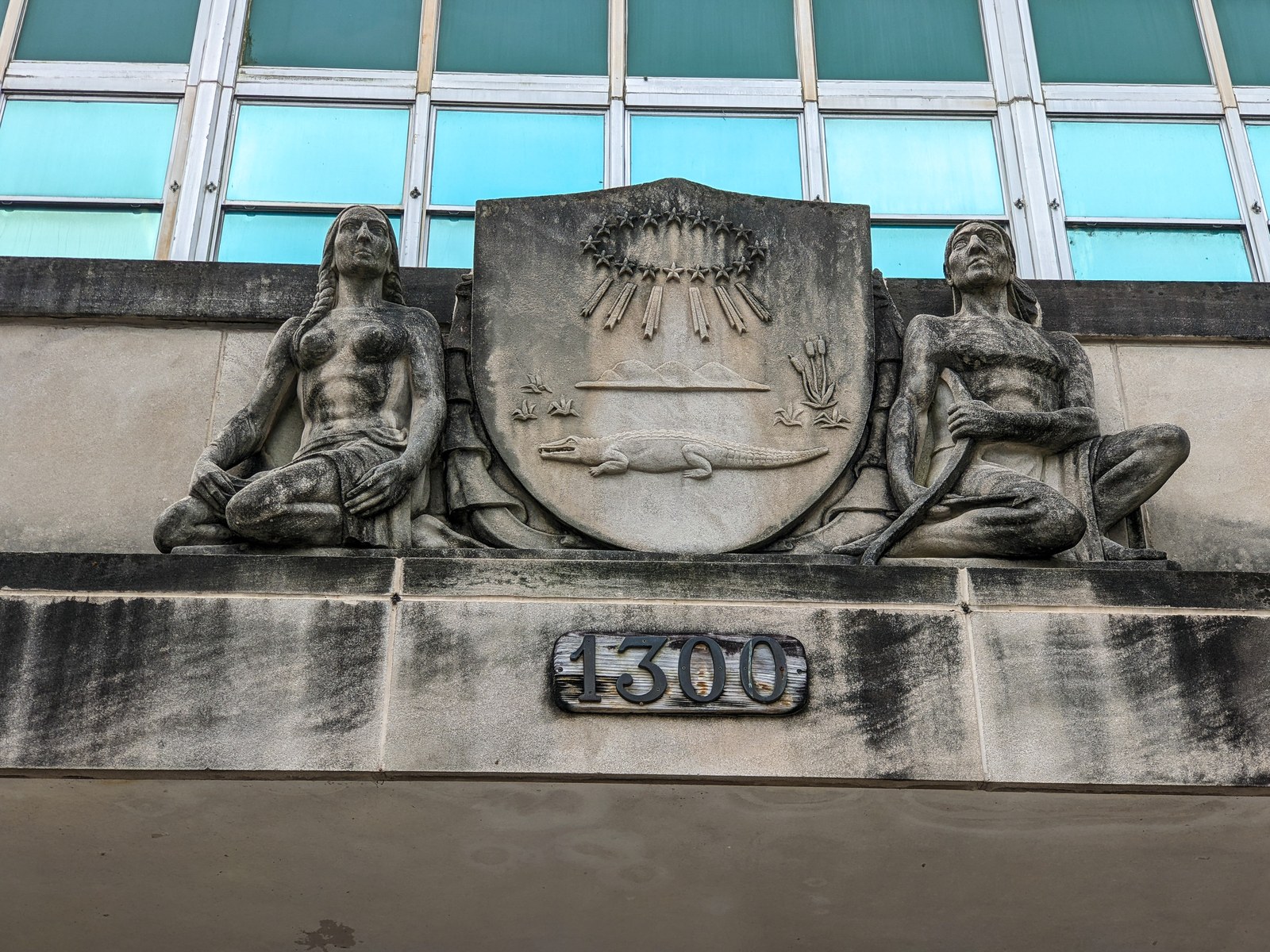
The plan would reduce total spending by 7.6 percent, to $1.471 billion in proposed expenditures. On the revenue side, the administration has floated millage options including a possible property tax increase worth about $26 million.
The mayor framed the proposal in a written introduction that left little room for interpretation. "The 2027 budget will be lean," Moreno wrote. "There is no room for waste and every dollar must be focused on delivering for our people. We will continue streamlining operations, sharing resources, building in-house capacity where it saves money and demanding accountability for every public dollar."
The proposal follows a failed attempt to borrow the city's way out of the hole. The administration had sought to issue bonds to fund operating expenses, and the Bond Buyer reported the mayor struck out on that effort before turning to cuts. With debt off the table, the arithmetic had to come from spending, revenue, or both.
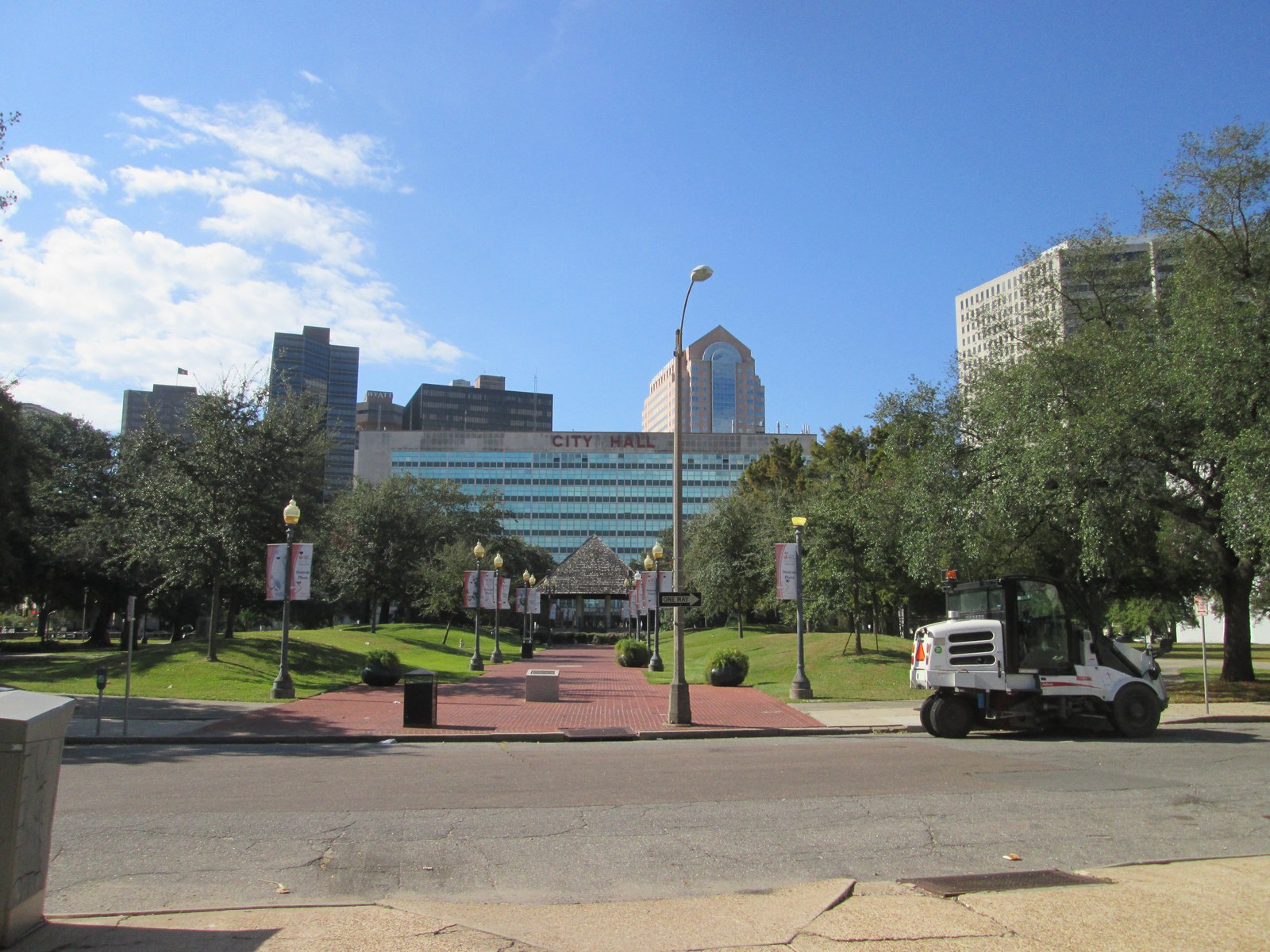
City Council President Jean-Paul Morrell did not sugarcoat the math. "With a roughly $100 million shortfall, there's no way to make cuts without pain," he said, a line that sets the tone for the amendment season ahead.
The administration has proposed symbolic shared sacrifice as well. Moreno and Chief Administrative Officer Joe Giarrusso proposed a 10 percent salary cut for themselves, worth about $50,000, and Moreno committed to halting the employee furloughs that marked the 2026 budget. A hiring freeze, however, would continue into 2027.
The budget is Moreno's first as mayor, and it arrives with the city's finances under unusual strain. Through July, the city had collected $513.2 million in year-to-date revenue against $423.6 million in personnel and operating expenditures, leaving an $89.5 million excess of revenue over expenditures at the seven-month mark, according to a council committee summary of the administration's July financial update, published in September. The same report cautioned against projecting a year-end result from partial-year figures, and noted a 5 percent vacancy rate across city government.
The proposed cuts would touch departments across City Hall, and the shelter closure proposal has already drawn attention from homelessness advocates, who argue the savings would come at the cost of beds the city cannot spare. The administration has framed the choices as the arithmetic of a structural gap: recurring expenses that have outrun recurring revenues.
The millage question gives the council its hardest vote. Raising the property tax rate would generate recurring revenue, the kind budget analysts prefer, but it would land on homeowners and businesses already facing higher insurance costs. Holding the rate flat would force deeper cuts elsewhere.
Council budget hearings continue this fall, with a final vote expected before the new fiscal year. Every line in the mayor's proposal, from the 152 positions to the shelter to the millage rate, is subject to amendment before then.
The council's budget hearings open September 29 with the tax levy ordinance and the proposed millage rates first on the agenda, followed by the finance department and the chief administrative office. The council is expected to approve a budget in November, and every line in the mayor's proposal is subject to amendment before then.
None to date. The Tribune corrects errors promptly and transparently. Read our corrections policy.