The millage decision: hold the rate or raise $26 million
The council's annual property tax vote is the revenue side of the mayor's budget math.
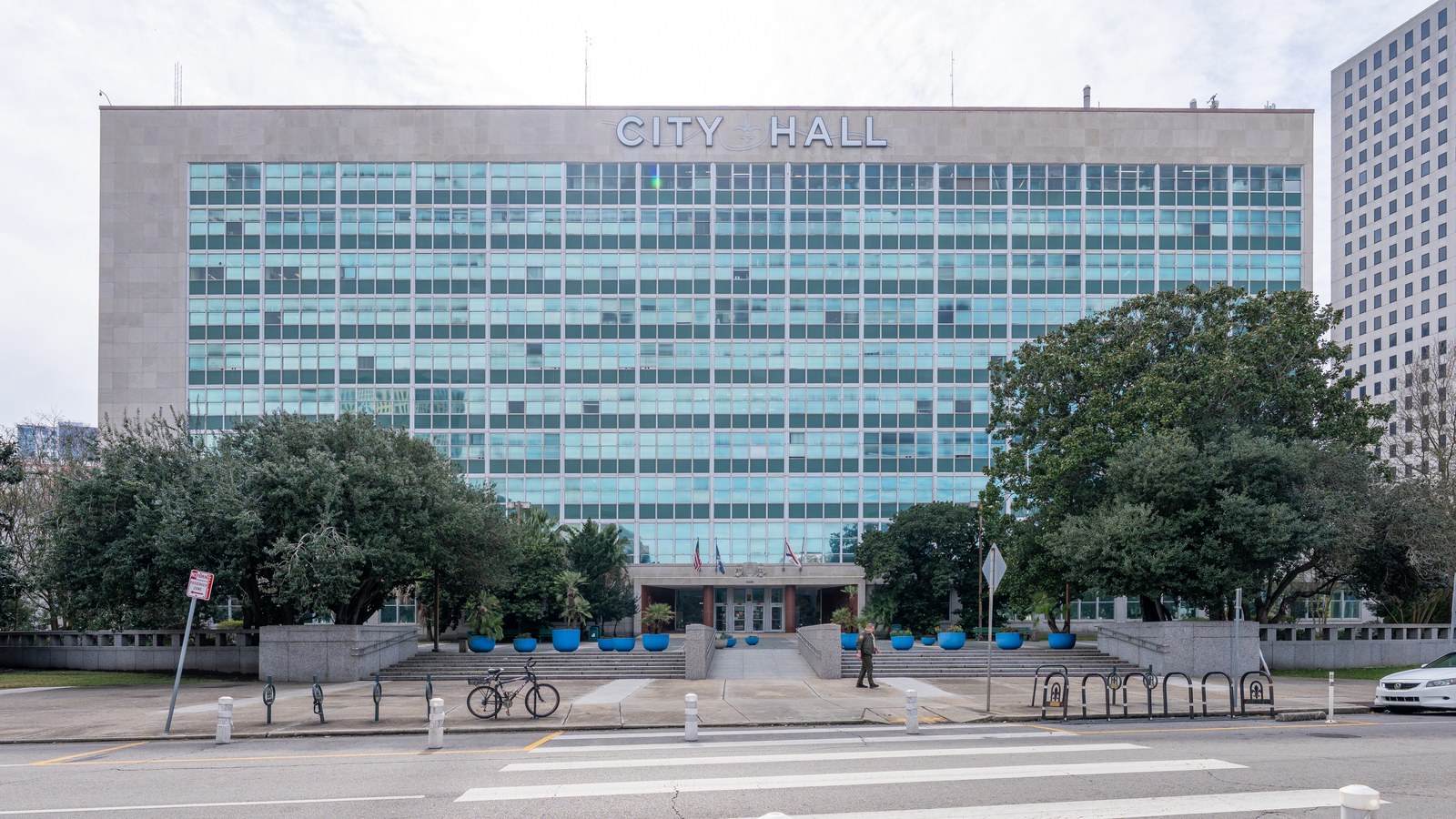
NEW ORLEANS: The City Council will hold a public hearing on November 5, 2026, at 10:00 a.m. in the council chamber at City Hall to consider levying additional or increased millage rates, the annual property tax decision that has become the revenue side of the mayor's 2027 budget math.
The hearing notice, published by the city under Article VII, Section 23(C) of the Louisiana Constitution and state law, puts numbers on the choice. The city estimates it would collect $297,337,596.11 in tax revenue in the next tax year under the increased millage, compared with $255,082,640.68 this year, an increase of $42,254,955.43 attributable to the millage change.

The council may levy the higher rates without voter approval, or it may adopt the adjusted rates after reassessment and roll forward to no more than the prior year's maximum authorized rates. That fork in the road is the whole debate: roll forward and raise recurring revenue, or hold the line and cut deeper into services.
The administration has floated a range. The mayor's budget proposal contemplates a possible increase worth about $26 million, while reporting on the plan has put the potential revenue as high as $42 million depending on which millages the council passes. Either figure would be recurring money, the kind that does not vanish after one fiscal year.
The millage question reaches the council through the budget hearings as well. The September 29 hearing agenda lists the tax levy ordinance and proposed millage rates as the first item, ahead of the finance department and the chief administrative office, a signal of how central the tax decision is to the 2027 plan.
Opponents of an increase argue that property owners are already absorbing higher insurance premiums and assessments, and that City Hall should cut deeper before asking taxpayers for more. Supporters counter that one-time money and position cuts cannot fix a structural imbalance, and that the alternative to revenue is the erosion of services residents already complain about.
The millage vote and the budget vote move on parallel tracks this fall, and each constrains the other. Whatever rate the council sets on November 5 will determine how much of the mayor's proposed cuts must stand, and how much can be restored.
The hearing is open to the public, and the notice sets the terms plainly: the council will consider the higher rates, the adjusted rates, or the roll-forward, and the estimated $42.3 million difference between this year's collections and next year's is the number every speaker will be arguing about.
None to date. The Tribune corrects errors promptly and transparently. Read our corrections policy.