Trash bills rise $8.25 a month under sanitation reset
The city says collections cover only $37.7 million of $62.5 million in costs. The council approved the reset on Sept. 3; the new rate takes effect Oct. 1.
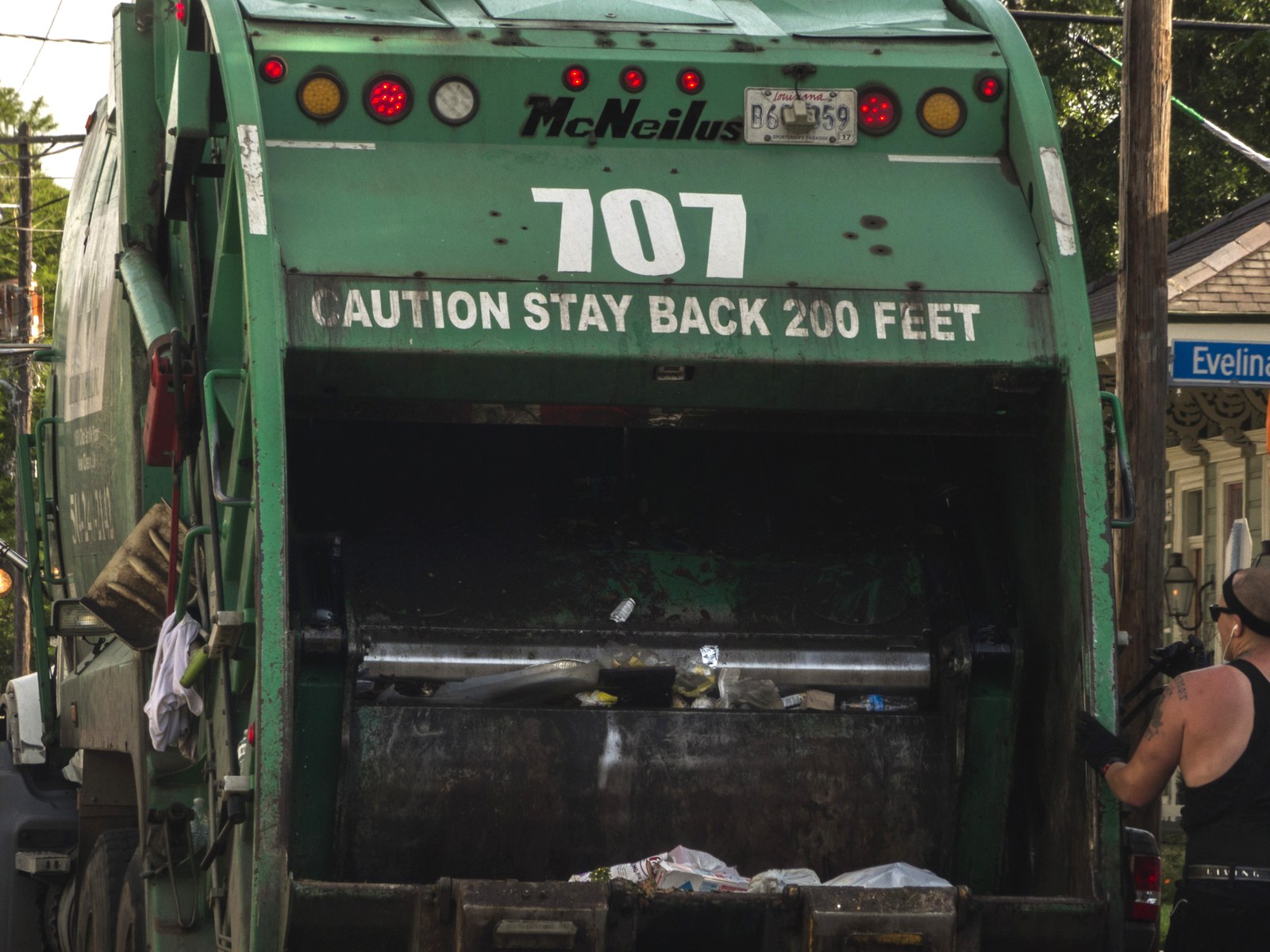
NEW ORLEANS: New Orleans households would pay $8.25 more per month for trash collection under a sanitation fee reset the administration announced in August, a proposal aimed at closing a $24.7 million hole between what the service costs and what residents pay.
The city projects 2026 sanitation costs of $62.5 million against collections of just $37.7 million, according to the administration's announcement. The monthly increase would bring the standard residential charge to $32.25.
The council approved the increase, which takes effect October 1, 2026. City officials say the current fee has not kept pace with the cost of collection contracts, fuel, and equipment.
The increase arrives after a year in which the administration leaned on one-time funds and employee furloughs to balance the books. Officials have said they want to end furloughs in the fourth quarter of this year rather than carry broad furloughs into 2027, which makes every recurring revenue source, including the sanitation fee, matter more.
What the fee pays for is unglamorous and essential: the collection contracts, the fuel for the trucks, and the equipment that must be replaced on schedule or the routes start slipping. The reset is an admission that the old charge had drifted too far from the real cost of the work.
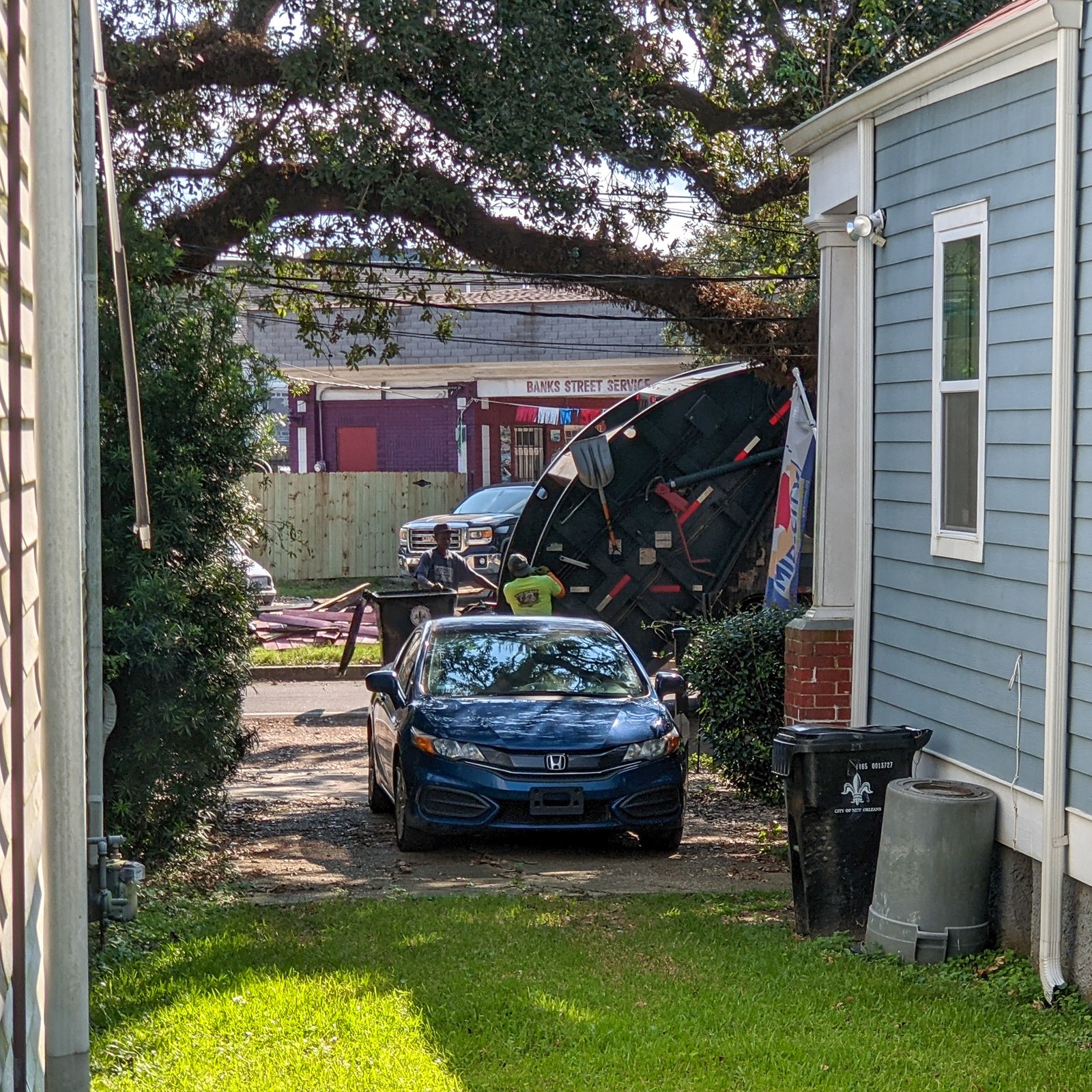
The reset also takes aim at the rolls themselves. The city identified 12,915 questionable addresses in its sanitation billing, properties that may be receiving collection without paying the full charge, or paying without receiving service. Cleaning up the rolls is part of the plan to stabilize the sanitation fund.
Sanitation has been one of the city's most visible service failures in recent years, with missed pickups and illegal dumping complaints recurring across neighborhoods. The administration is betting that a fee aligned with actual costs, plus a corrected billing roll, can put the service on steadier footing.
For households, the math is straightforward: about $99 more per year for the standard residential charge. For the council, the vote is another entry in a fall calendar crowded with fiscal decisions, alongside the 2027 budget and the annual millage vote.
The billing cleanup matters as much as the rate. With 12,915 questionable addresses on the rolls, the city has been collecting too little from some properties and, in some cases, billing properties that may not be receiving service at all. Fixing the rolls is the kind of invisible administrative work that determines whether a fee increase actually closes the gap it promises to close.
None to date. The Tribune corrects errors promptly and transparently. Read our corrections policy.