After Mid-Barataria: $600 million spent, and the coast debate starts over
The canceled sediment diversion leaves disagreement over its science and governance, and a search for what comes next.
NEW ORLEANS: More than a year after Louisiana moved to terminate the Mid-Barataria Sediment Diversion, the project's shadow still falls across coastal policy. Over $600 million was spent before the cancellation in July 2025, and the disagreement over the project's science and governance has not settled with its end.
The scale of the sunk cost is what makes the argument so bitter. More than $600 million was spent before Louisiana moved to terminate the project in July 2025, money that bought engineering, permitting, and legal work for a diversion that will never be built. Supporters of the project call it a down payment on knowledge; opponents call it a warning.
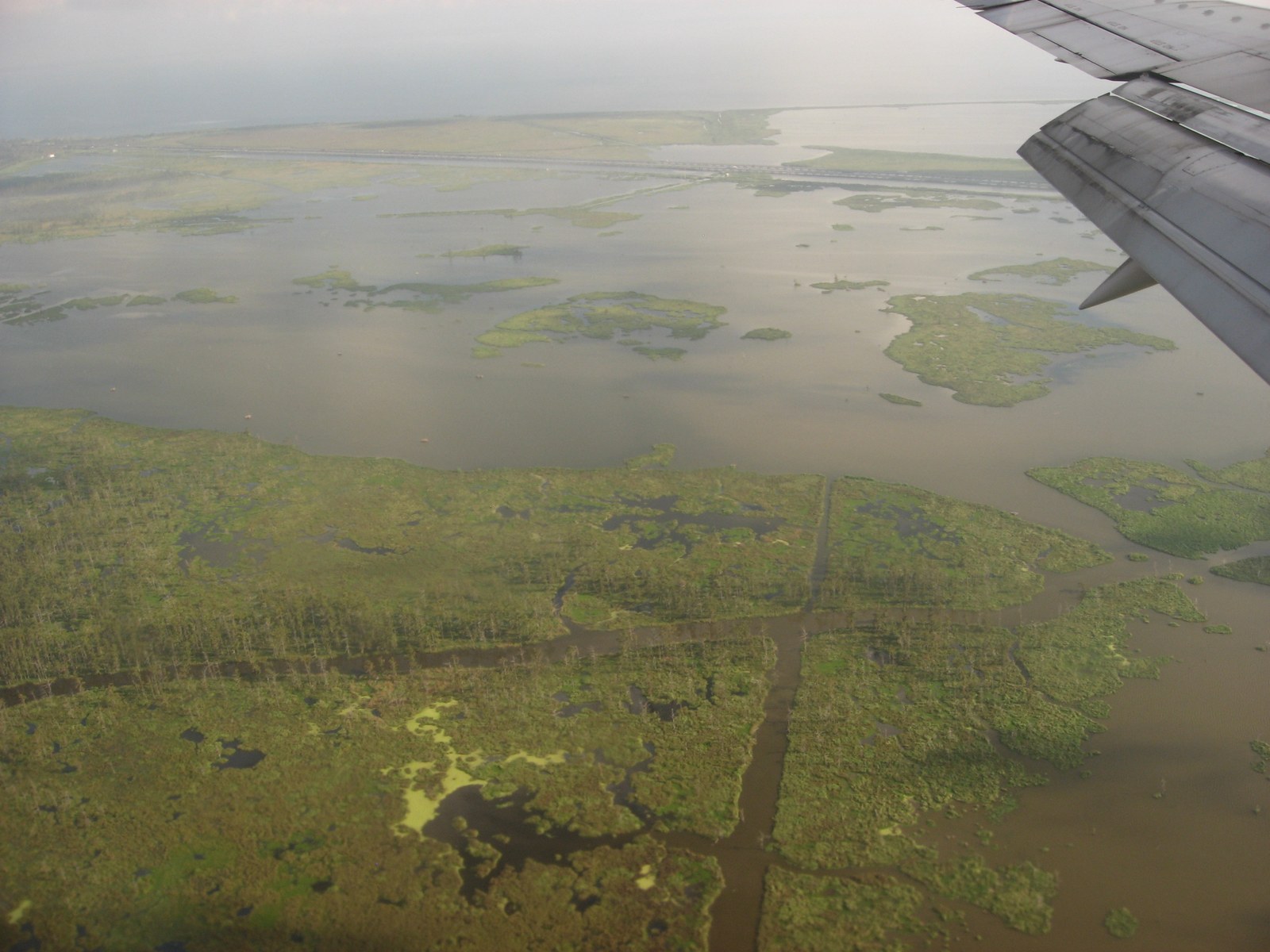
The scientific fight is about whether the diversion would have worked as promised. The project was designed to cut the Mississippi River levee and let sediment rebuild marsh in Barataria Bay, but critics questioned whether it would build land at the promised scale, and what the flood of fresh water would do to the bay's fisheries and its dolphin population in the meantime.
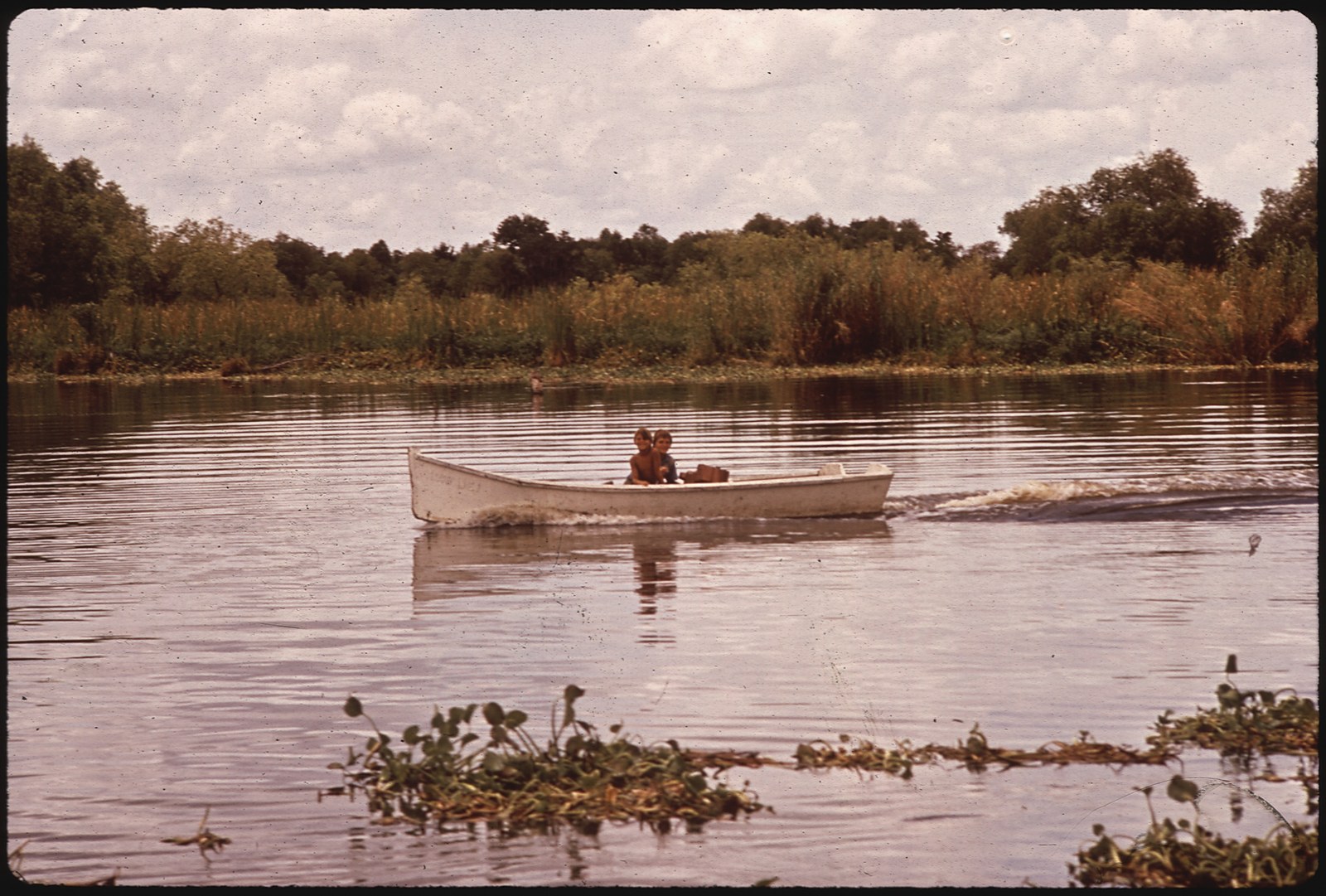
The governance fight is about who decided. The communities closest to the diversion, particularly the fishing communities of lower Plaquemines Parish, argued they bore the risk while the benefits accrued elsewhere. The termination, announced by the state in July 2025, was among the most consequential environmental decisions in Louisiana history.
The diversion was conceived as the centerpiece of the state's coastal restoration program: a controlled cut in the Mississippi River levee that would rebuild marsh in Barataria Bay with river sediment. Its cancellation, announced by the state in July 2025, was one of the most consequential environmental decisions in Louisiana history, and engineers are still debating what it means.
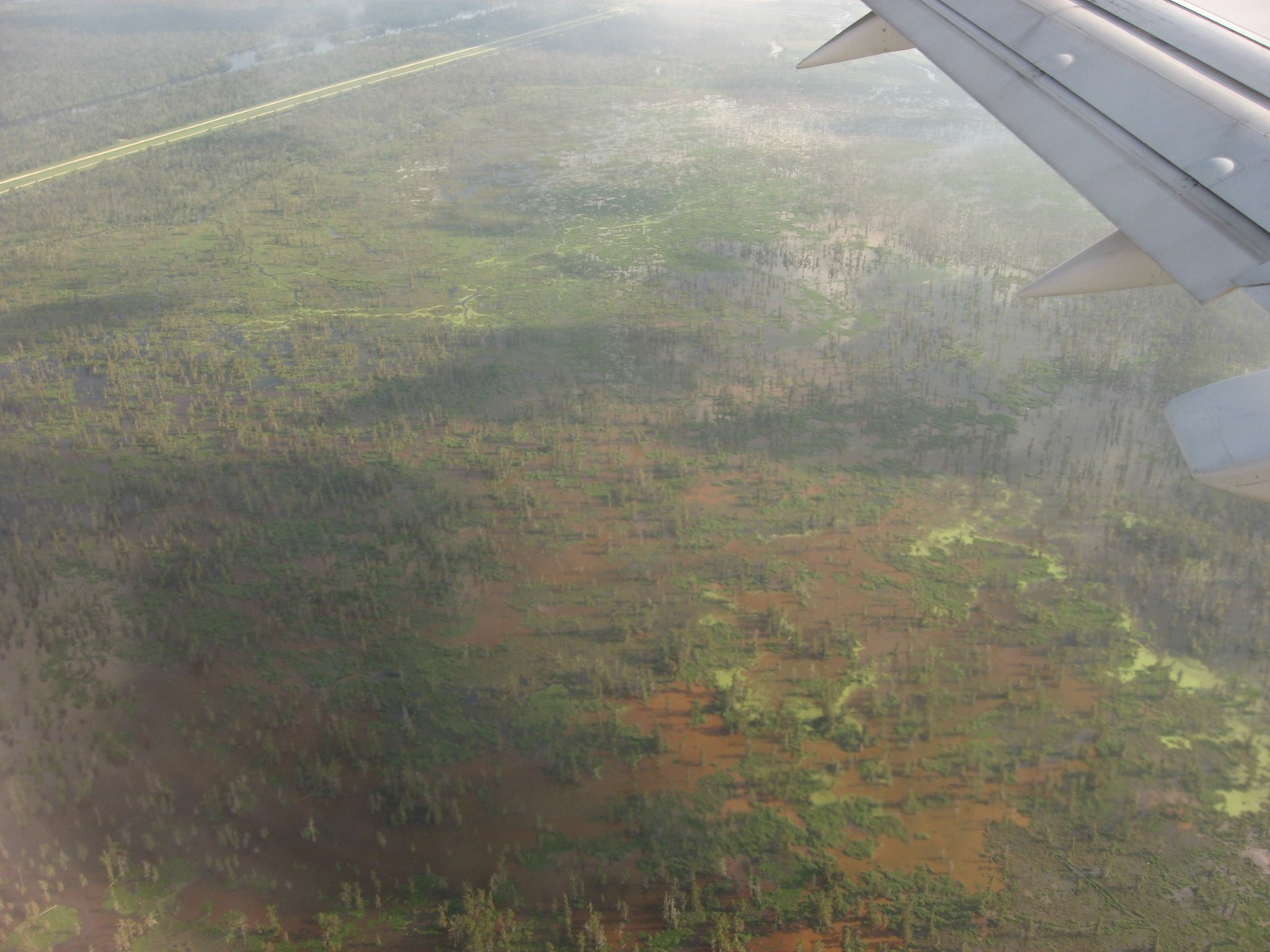
The dispute runs along two fault lines. The first is scientific: whether the diversion would have built land at the scale promised, and what it would have done to the bay's fisheries and dolphin populations in the meantime. The second is governance: who decided, who paid, and whether the communities most affected had a real voice.
With the diversion gone, the conversation has turned to alternatives. Engineers and planners are weighing dredging-based marsh creation, a smaller diversion, and even a proposed sand engine, an experimental approach that would pump sand from riverbed sandbars into the basin as slurry, using far less fresh water.
The stakes extend beyond one project. The state's coastal program has secured $21.6 billion since 2005 and restored or protected more than 83,000 acres, and the fiscal year 2027 annual plan commits another $1.54 billion. The question the Mid-Barataria fight left behind is not whether Louisiana restores its coast, but how, at what scale, and on whose terms.
Engineers writing in the wake of the cancellation are treating Mid-Barataria as a case study. A September 2026 analysis by the American Society of Civil Engineers asked what the profession could learn from the project: about modeling uncertainty, about community consent, and about what happens when a megaproject's science and its politics diverge.
None to date. The Tribune corrects errors promptly and transparently. Read our corrections policy.