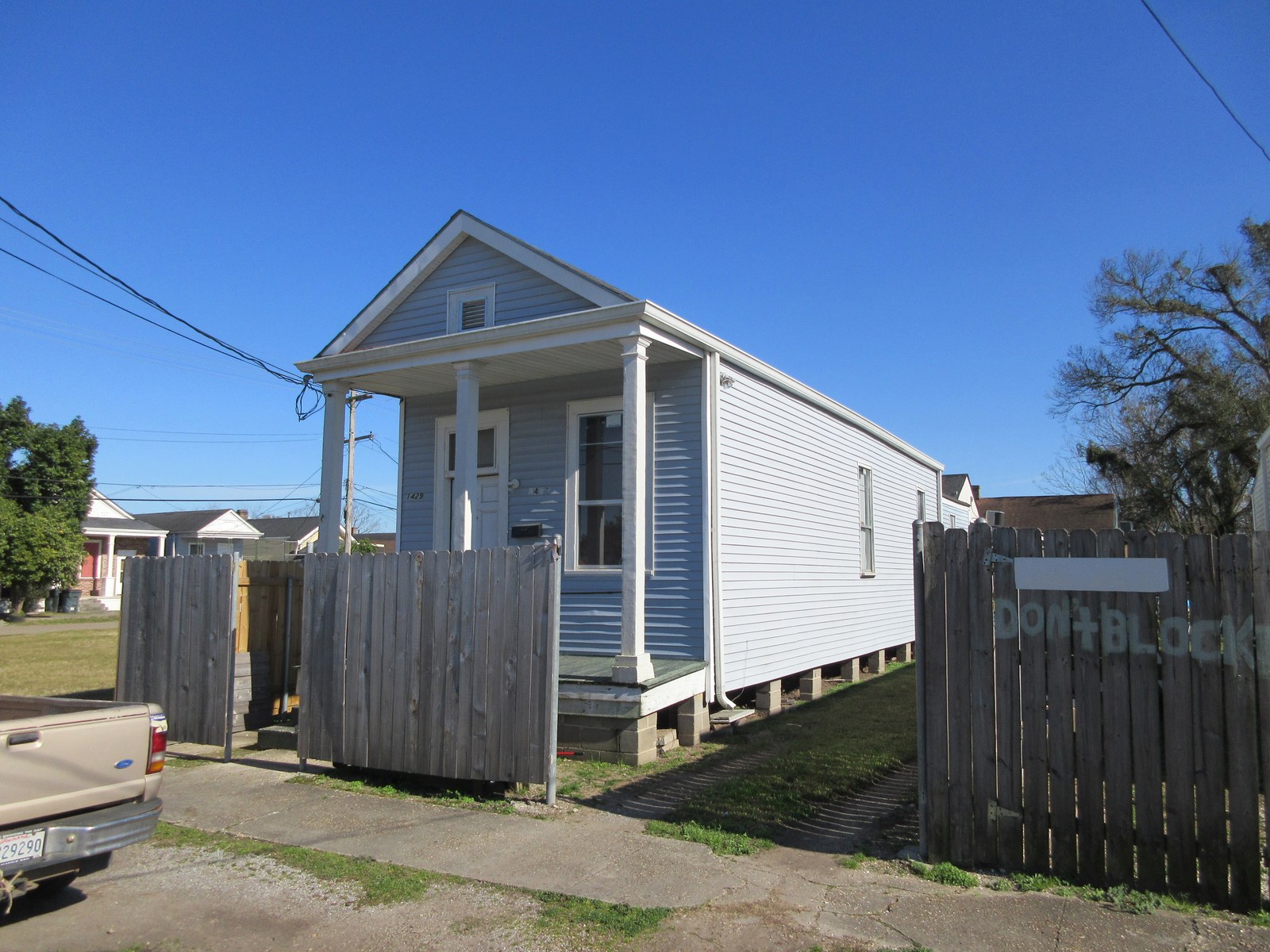
From working wharves to civic stage: the riverfront's next act
The six-acre Goldring Woldenberg Riverfront Park opened April 16 on the old Governor Nicholls wharf, linking the Quarter, Marigny, and Bywater to the river.
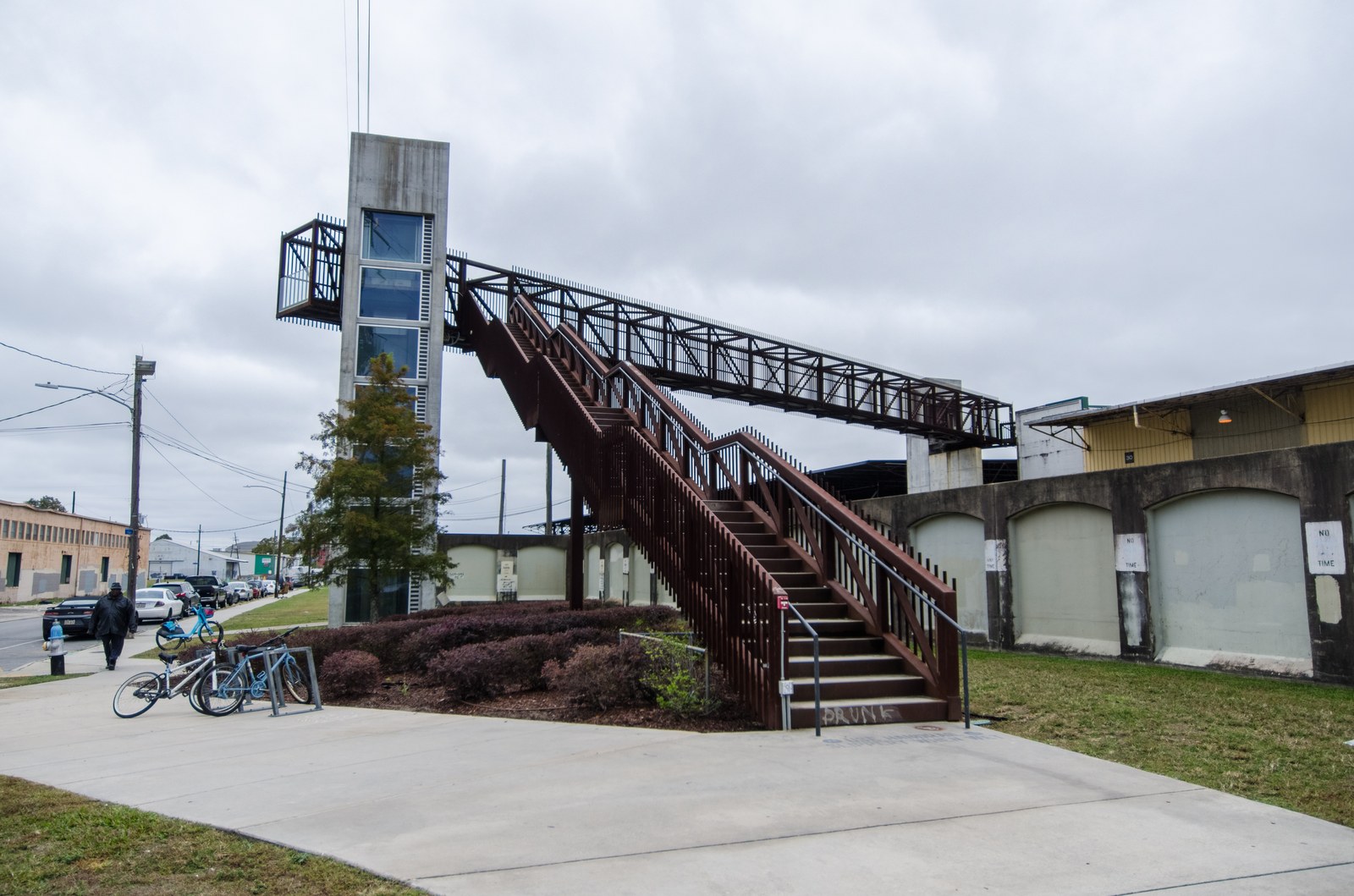
NEW ORLEANS: The stretch of Mississippi riverfront between the French Quarter, the Marigny, and the Bywater spent a century as working industrial waterfront. Since April 16, it has been a park: the six-acre Goldring Woldenberg Riverfront Park, built on the old Governor Nicholls Street Wharf, opened to the public this spring after a ribbon cutting.
The numbers describe the ambition. Six acres on the old Governor Nicholls Street Wharf. A ribbon cutting on April 7, a public opening on April 16. Shade trees where a warehouse stood. A marsh-themed playground, hammock stations, river-facing swings and benches, and a flexible pavilion adapted from part of the old Governor Nicholls warehouse.
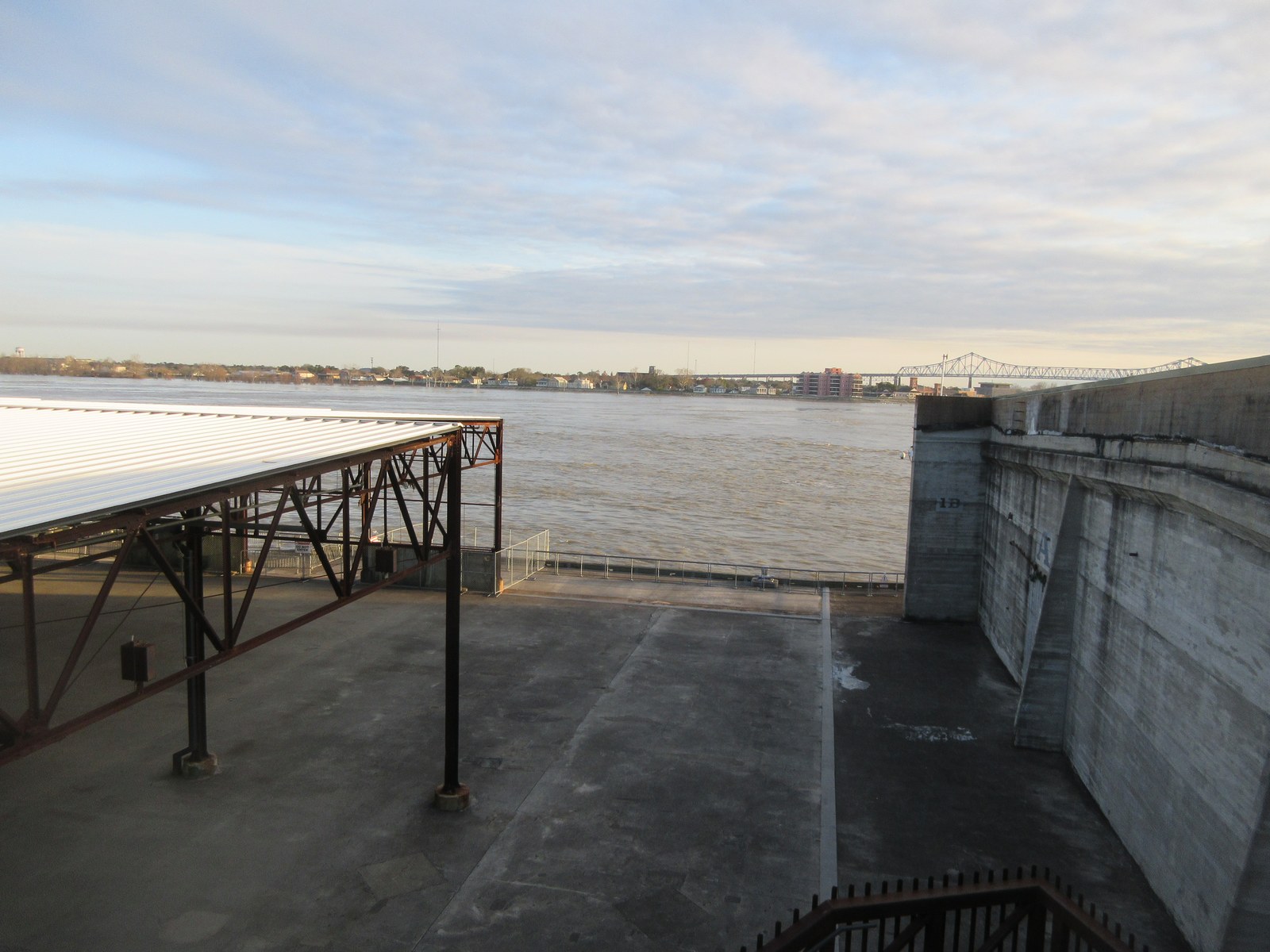
The park was developed by the Audubon Nature Institute with designers EskewDumezRipple and Hargreaves Jones. Where a warehouse stood, there are now shade trees, a marsh-themed playground, hammock stations, river-facing swings and benches, and an open meeting space dubbed the “NOLA Front Porch,” a nod to the city's origins along the riverfront.
The design team, EskewDumezRipple and Hargreaves Jones, kept the industrial memory of the wharves rather than erasing it. The park follows the precedent Crescent Park set in the Bywater, where the earlier conversion proved that former industrial waterfront could become beloved public space rather than a development site.
The park's significance is connective. It provides continuous public access along nearly two and a quarter miles of riverfront, from Spanish Plaza to Crescent Park, one of the longest contiguous riverfront parks in the country, and the first time in generations the public has been able to walk that edge of the river.
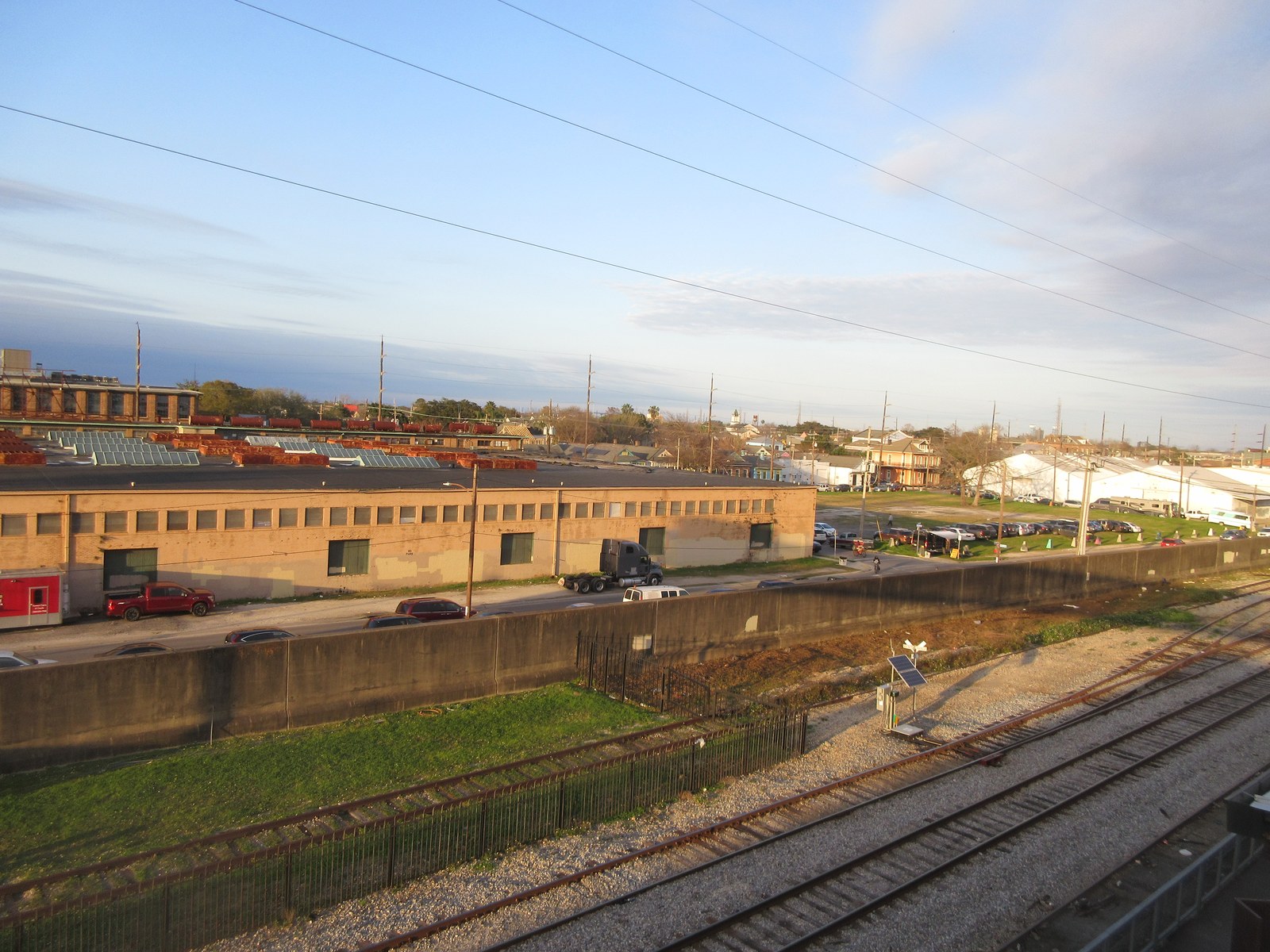
The design keeps the industrial memory of the site rather than erasing it, a deliberate contrast to riverfront projects that could be anywhere. It follows the precedent of Crescent Park, the earlier Bywater conversion that proved former industrial wharves could become beloved public space.
More is coming: the next phase calls for demolishing the warehouse at the Esplanade Wharf, with planning expected to begin later this year. The open questions are the usual ones for New Orleans public space: maintenance funding, programming that serves the surrounding neighborhoods rather than just visitors, and whether the park becomes part of daily life or a postcard backdrop. The wharves did their industrial work for a century. The civic work is just beginning.
The next phase is already in view: demolishing the warehouse at the Esplanade Wharf, with planning expected to begin later this year. The harder questions are the ones every New Orleans public space faces: who pays for maintenance, whose programming fills the calendar, and whether the park becomes part of daily neighborhood life or a backdrop for visitors.
None to date. The Tribune corrects errors promptly and transparently. Read our corrections policy.