One year out: holding the NOPD's reforms without a federal monitor
The consent decree ended Nov. 19, 2025, after 12 years and $20 million in monitoring costs. The test now is durability.

NEW ORLEANS: Nearly a year has passed since a federal judge ended 12 years of court oversight of the New Orleans Police Department, closing one of the longest and most expensive police reform efforts in American history. The question now facing the city is whether the reforms survive without the monitor watching.
Judge Susie Morgan terminated the consent decree on November 19, 2025, finding that the department had complied with a 492-point reform blueprint covering use of force, crisis intervention, stops, searches, and arrests. The announcement came at Loyola University's law school, with monitor Jonathan Aronie, then-Mayor-elect Helena Moreno, and the full City Council in attendance.

The termination hearing itself was a measure of how far the department had come. Judge Morgan issued her order from a packed auditorium at Loyola Law School, telling the room, "Everyone in this room should be rightly proud about what NOPD accomplished here." Mayor-elect Helena Moreno and the full City Council attended, along with current and former police brass.
Morgan defended both the duration and the price. "It did not take too long. It took the amount of time necessary for the NOPD to make the changes called for and to make them durable, able to stand the test of time," she said. "If you think the cost of constitutional policing is high, try the cost of unconstitutional policing."
The decree was once the most expansive police consent decree in the country, and its end was years in the making. The termination request had been pending through two mayoral administrations, and the final order came with the backing of a Justice Department that has grown averse to consent decrees.
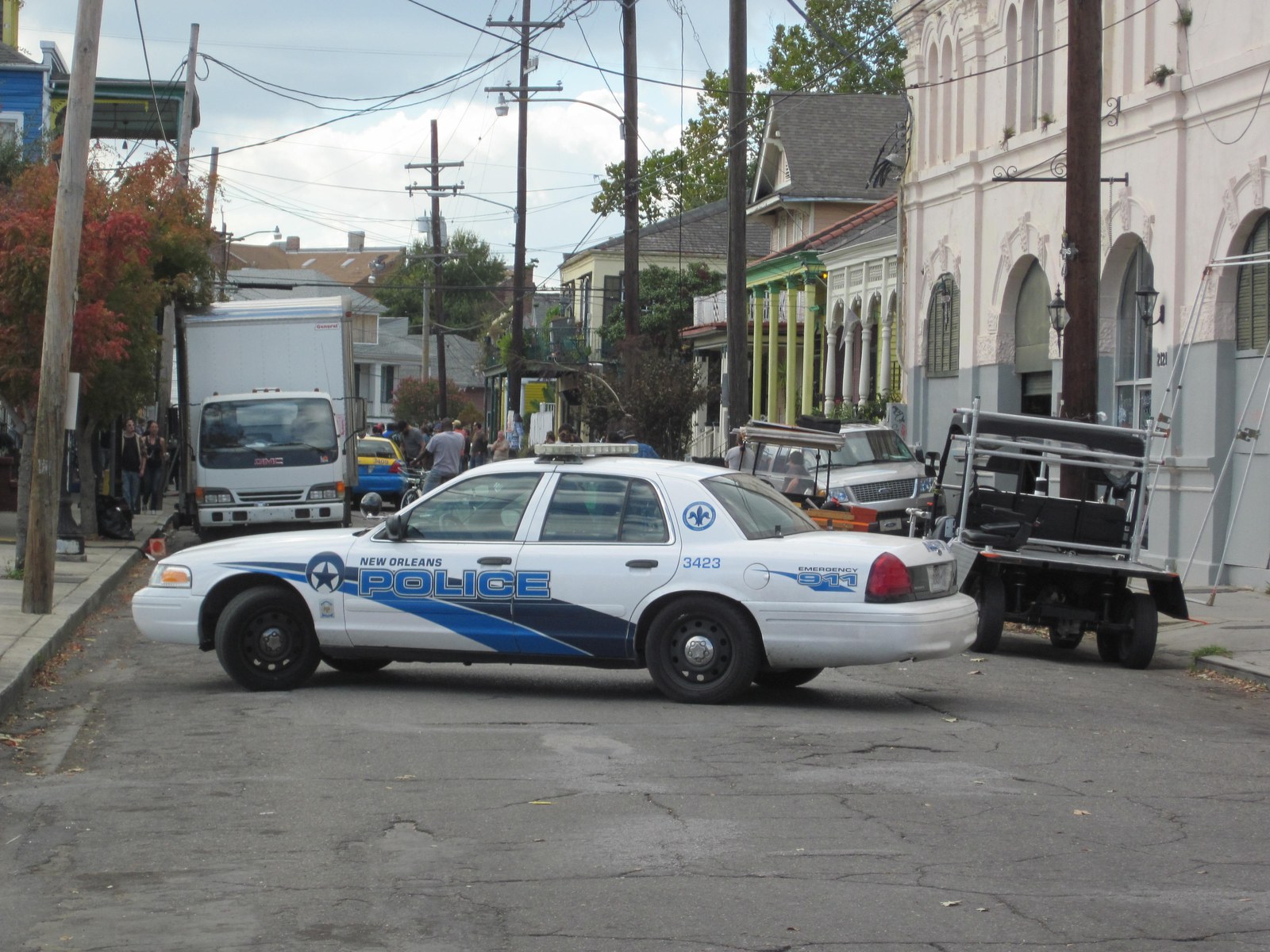
The decree's scale was enormous: five police chiefs served during its run, and monitoring alone cost the city $20 million. The department that emerged is, by the court's measure, transformed in its policies on force, its handling of people in mental health crisis, and its supervision of officers on the street.
But court findings measure compliance, not durability. The reforms now depend on the department's own internal affairs, its public integrity bureau, the civilian oversight structures the city built during the decree years, and a City Council and mayor willing to fund them. None of those are guaranteed by a court order anymore.
This is the first full year the department has operated without federal oversight, and it coincides with a visible state presence on city streets. State troopers have been a regular sight in the French Quarter and other high-traffic areas, a parallel law enforcement footprint that raises its own questions about coordination and accountability.
The durable test of the decree was never the termination hearing. It is the next use-of-force investigation, the next crisis call, the next promotion cycle, handled the way the blueprint requires when no federal judge is checking. The city is living that test now.
None to date. The Tribune corrects errors promptly and transparently. Read our corrections policy.