Steering casualty left a tanker's rudder stuck to starboard two minutes before it hit the American Heritage, the NTSB says
A preliminary review of more than nine hours of voyage recorder data puts the failure at 12:26 p.m. on Nov. 13, near the Crescent City Connection. Six people remained in hospital on Sunday, and a preliminary report is expected within about 30 days.
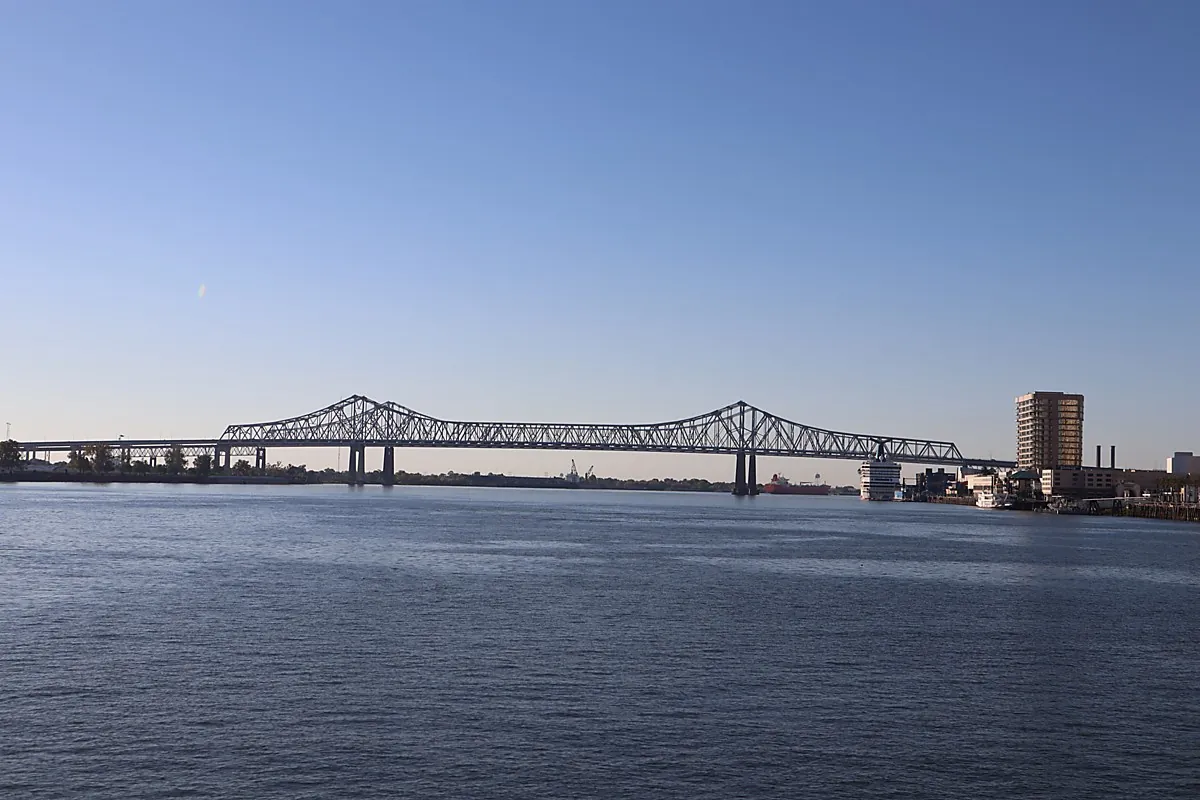
NEW ORLEANS: Federal investigators gave their first account on Sunday, November 15, of what happened aboard the tanker Atlantic Asphalt in the minutes before it struck the docked riverboat American Heritage. A preliminary review of the tanker's voyage data recorder shows a steering casualty at about 12:26 p.m. on Friday, November 13, that left the rudder stuck to starboard while the vessel was traveling upriver near the Crescent City Connection Bridge, National Transportation Safety Board investigator in charge Bart Barnum said at the briefing.
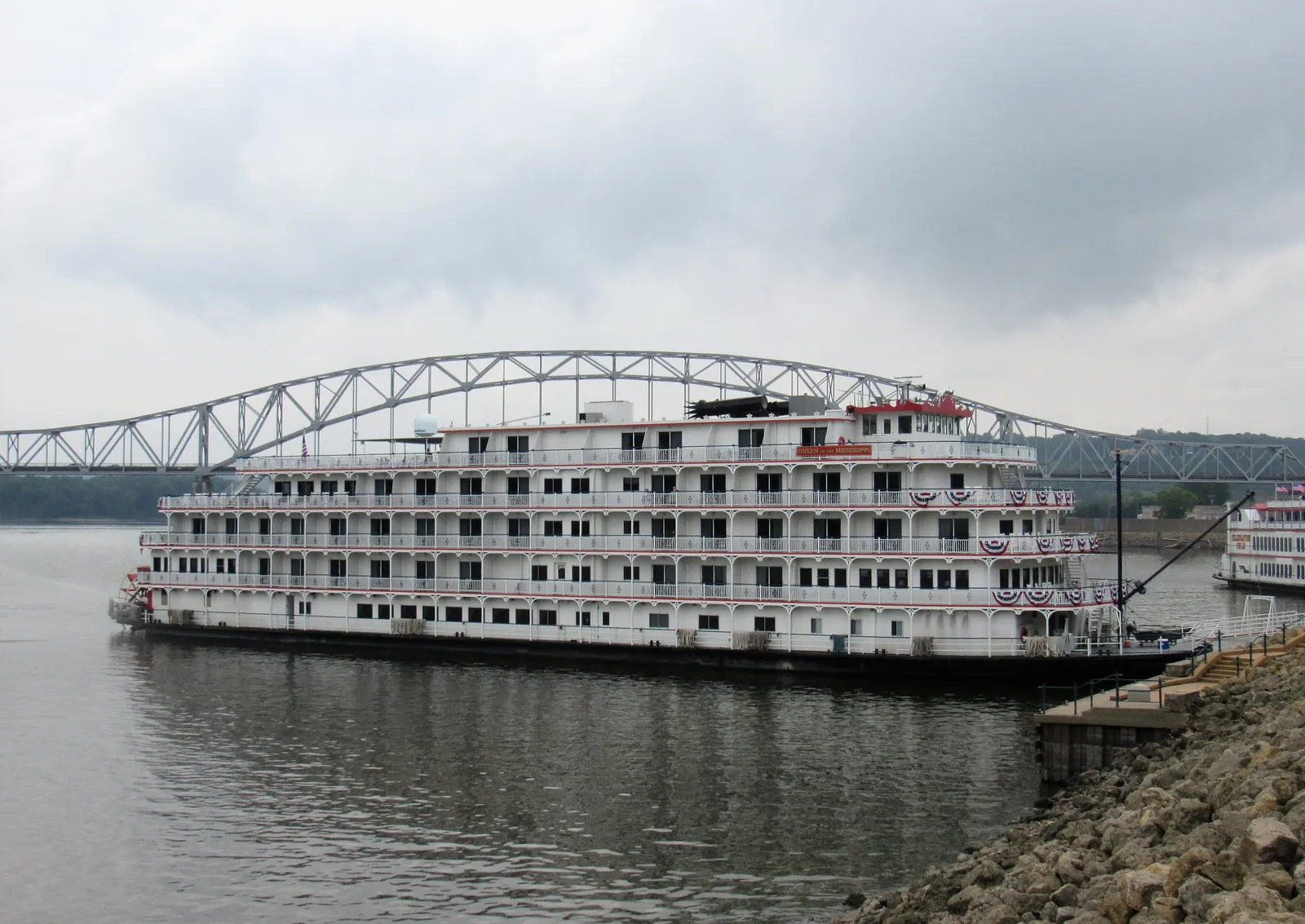
The tanker veered toward the east bank of the Mississippi River. About two minutes later, at about 12:28 p.m., it collided with the American Heritage at the Thalia Street Wharf. The riverboat capsized in about 22 minutes, board member John DeLeeuw said. No one was killed.
What the recorder captured
Investigators have downloaded more than nine hours of data from the recorder, recovered on Saturday, November 14. The data includes bridge audio, rudder angle, engine performance, vessel speed and course. Barnum said the audio contains sounds consistent with the ship's whistle, warnings and requests for assistance broadcast over marine radio, commands to deploy the anchors, and emergency ship handling orders. Investigators said they have the tanker's speed data but are still analyzing it before releasing it.
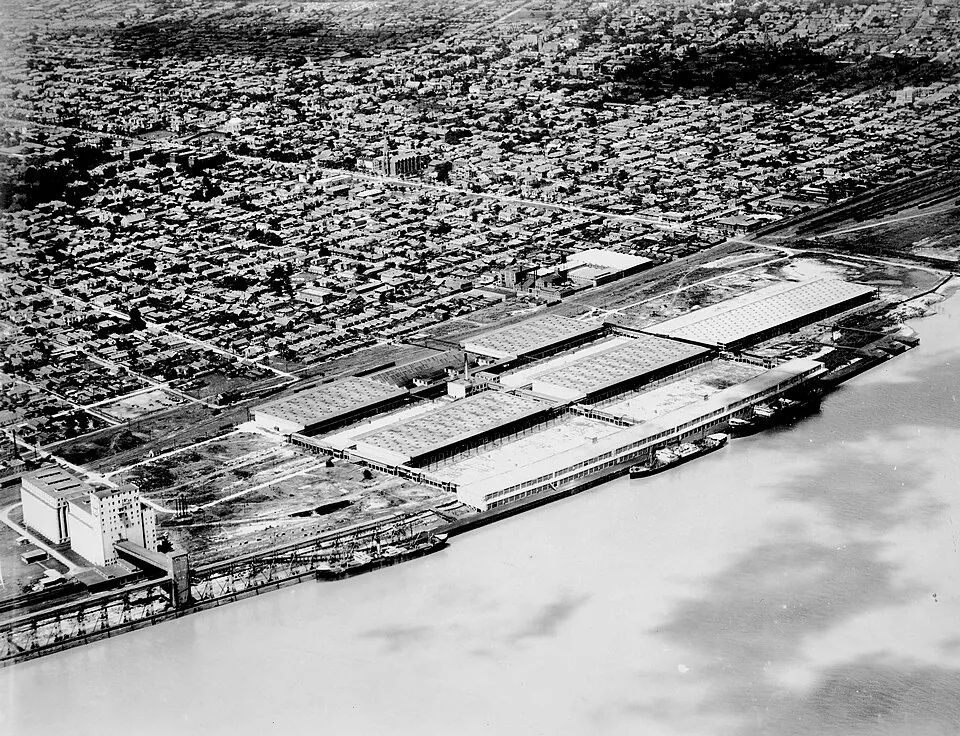
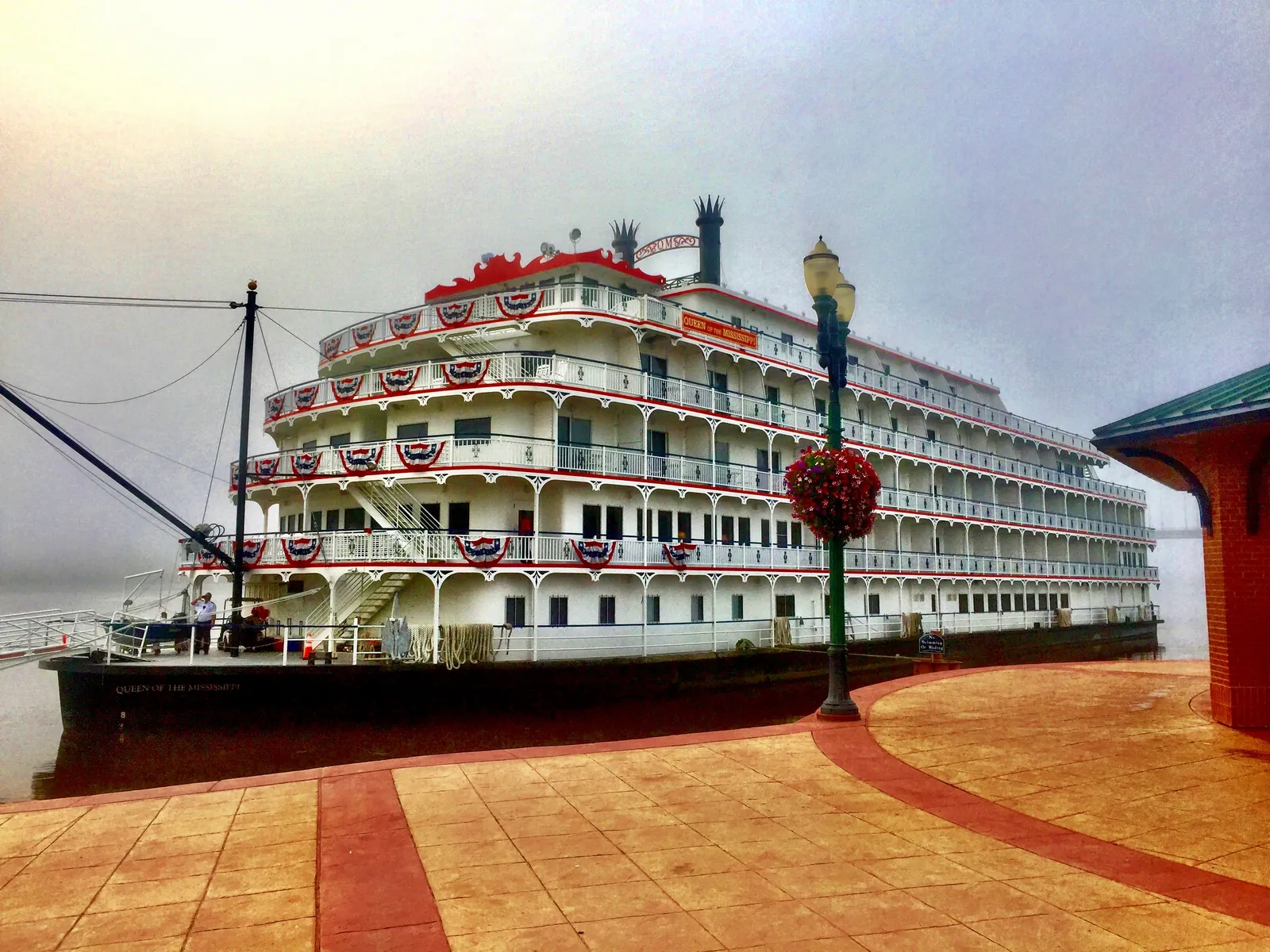
The timeline investigators gave on Sunday begins earlier that Friday. At about 11 a.m., the Atlantic Asphalt departed the Lower 9 Mile Anchorage at Mile 83 on the Lower Mississippi River with a crew of 19 and a local river pilot, bound upriver for an oil facility in Reserve, Louisiana. That morning the American Heritage had arrived at the Thalia Street Wharf with 140 passengers and 50 crew members, 190 people in total, according to the agency timeline reported by USA Today.
The cause of the failure is not yet known
Investigators were explicit that the steering casualty describes what the rudder did, not why it did it. The cause of the steering failure has not been determined, and the review of the recorder data remains preliminary. DeLeeuw said the investigation will cover the personnel involved, the vessels involved and the environment at the time, and will also examine the reasons no one died, which the board counts as part of its work.
Investigators want more evidence from the public and asked anyone holding video, photographs or other information about the collision to share it with the board. A preliminary report is expected within about 30 days. Sunday's briefing was the board's last planned on site news conference, with later updates to be posted online. The board's investigation page gives the collision time as about 1:02 p.m., which differs from the 12:28 p.m. time investigators described on Sunday from the recorder data.
Interviews begin with the tanker crew on Monday
Investigators interviewed passengers and American Heritage crew members on Sunday, and divers worked on the capsized riverboat to preserve evidence that can be compared with the recorder data. Interviews with the Atlantic Asphalt crew were scheduled to begin on Monday, November 16, and to continue through the week, Barnum said.
On shore, the count of the injured continued to fall. Of the 32 people taken to hospital after the collision, six remained in hospital on Sunday, two of them in serious but stable condition, Mayor Helena Moreno said in the city update reported by WVUE. Fifty hotel rooms at the Hilton New Orleans Riverside remained occupied by displaced passengers on Sunday, and city personnel were coordinating with American Cruise Lines, the riverboat operator, on travel home by personal vehicle, airplane or Amtrak train.
On the river, the Coast Guard safety zone around the wreck remains in effect. It covers the stretch between river miles 95.5 and 96.5 and runs 500 feet out from the capsized riverboat. Deep-draft vessels and towing vessels pushing 10 or more barges move through one way, at their slowest safe speed, after coordinating with Vessel Traffic Service Lower Mississippi River. City officials have said removing the capsized riverboat could take weeks, and salvage planning continues.
None to date. The Tribune corrects errors promptly and transparently. Read our corrections policy.