Parishes, not counties: how Louisiana works
Louisiana has no counties. Here is why it has parishes, what they do, and why New Orleans is the special case.
Newcomers to Louisiana run into the word parish within a day, usually on a form that asks for their county. The form means the same thing. The U.S. Census Bureau counts 64 county equivalents in Louisiana, and every one of them is called a parish. Louisiana is the only state that uses the word for all of its primary local divisions.
That makes the parish the unit for much of daily civic life: property records, elections, courts, and the taxes that fund them. When a Louisianan says 'the parish,' they are pointing at the same layer of government the rest of the country calls the county.
Why the French word survived
The word dates to the French colonial era, when civil boundaries in Louisiana generally followed the boundaries of church parishes. The Catholic parish already mapped daily life under both France and Spain, so when the new American territory created civil parishes in 1807, it modeled them on the church parishes that had existed under the two crowns.
After the Louisiana Purchase, the new American territory kept the word. The territorial legislature adopted the term in 1807, replacing the territory's twelve counties with nineteen civil parishes. The 1845 constitution made 'parish' the official term for the state's major civil divisions, and parishes have been the term ever since. The word stuck because the institution underneath it never really changed.
New Orleans is the special case
Orleans Parish and the city of New Orleans are governmentally consolidated at the city level, the Census Bureau's term for a place where the parish and the city operate as one government. In New Orleans, the 1954 home-rule charter folded the two together, so most of what would be parish business elsewhere, from the council to the tax rolls, runs through City Hall.
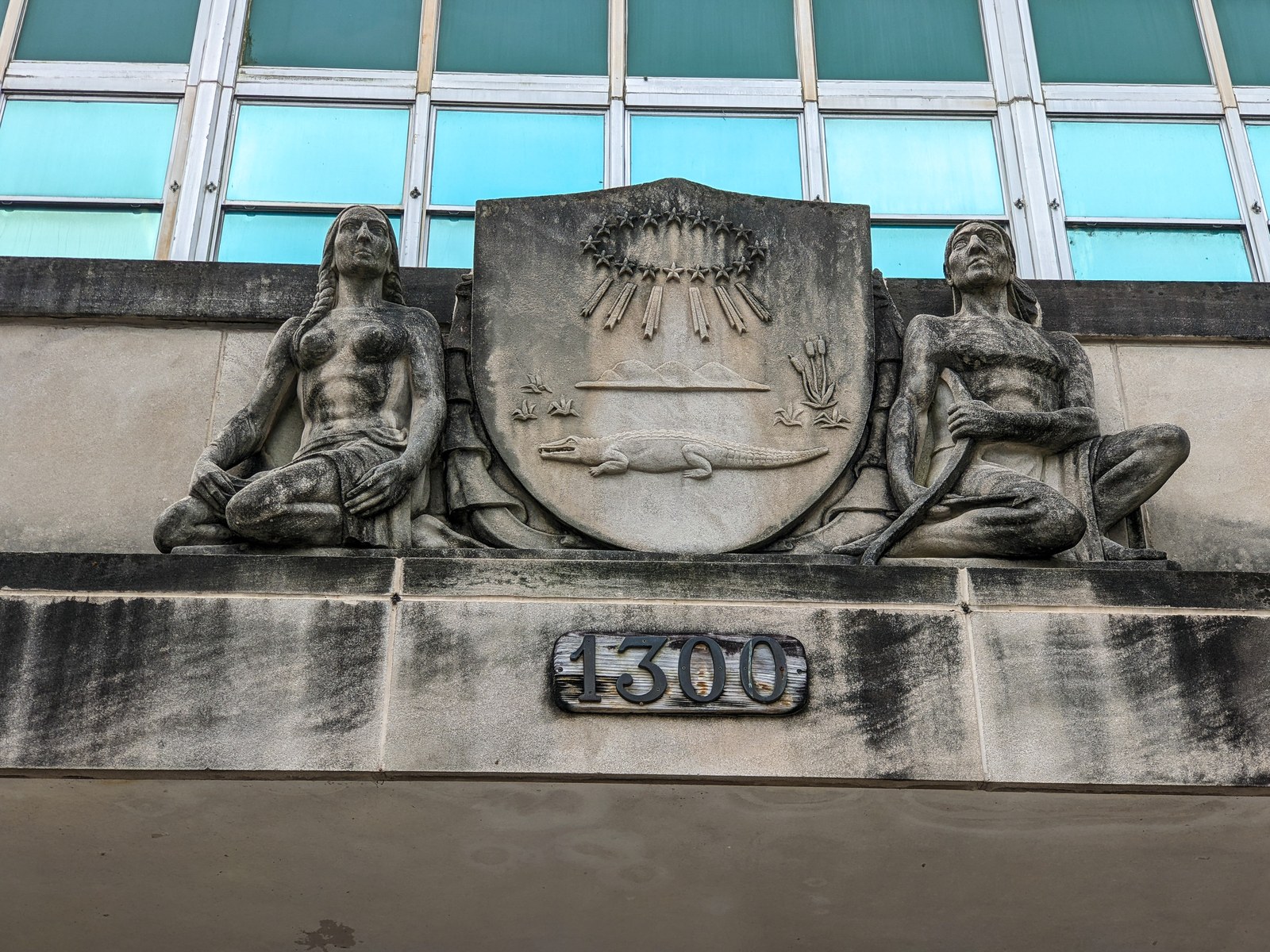
The consolidation is not total. The city's own master plan describes independent and semi-independent public agencies operating alongside the consolidated government, with their own boards and mandates. The Sewerage and Water Board is the example every New Orleanian knows: its board meetings, and their records, are a civic institution in their own right.
What this means for you
If you are new here, three habits will carry you. First, when any form asks for your parish, write Orleans, and know it is asking for your county. Second, look to the parish level for the unglamorous machinery: jury duty, property assessments, and the millage votes that set local tax rates. Third, when you want to watch local government work, the public meeting is the unit. The council, the school board, and the utility board all publish their calendars and records, and our events page collects the three recurring civic bodies worth following.
None to date. The Tribune corrects errors promptly and transparently. Read our corrections policy.