The port economy, in plain terms
What the Port of New Orleans actually does, what moves through it, and why the river still sets the terms for the city's economy.
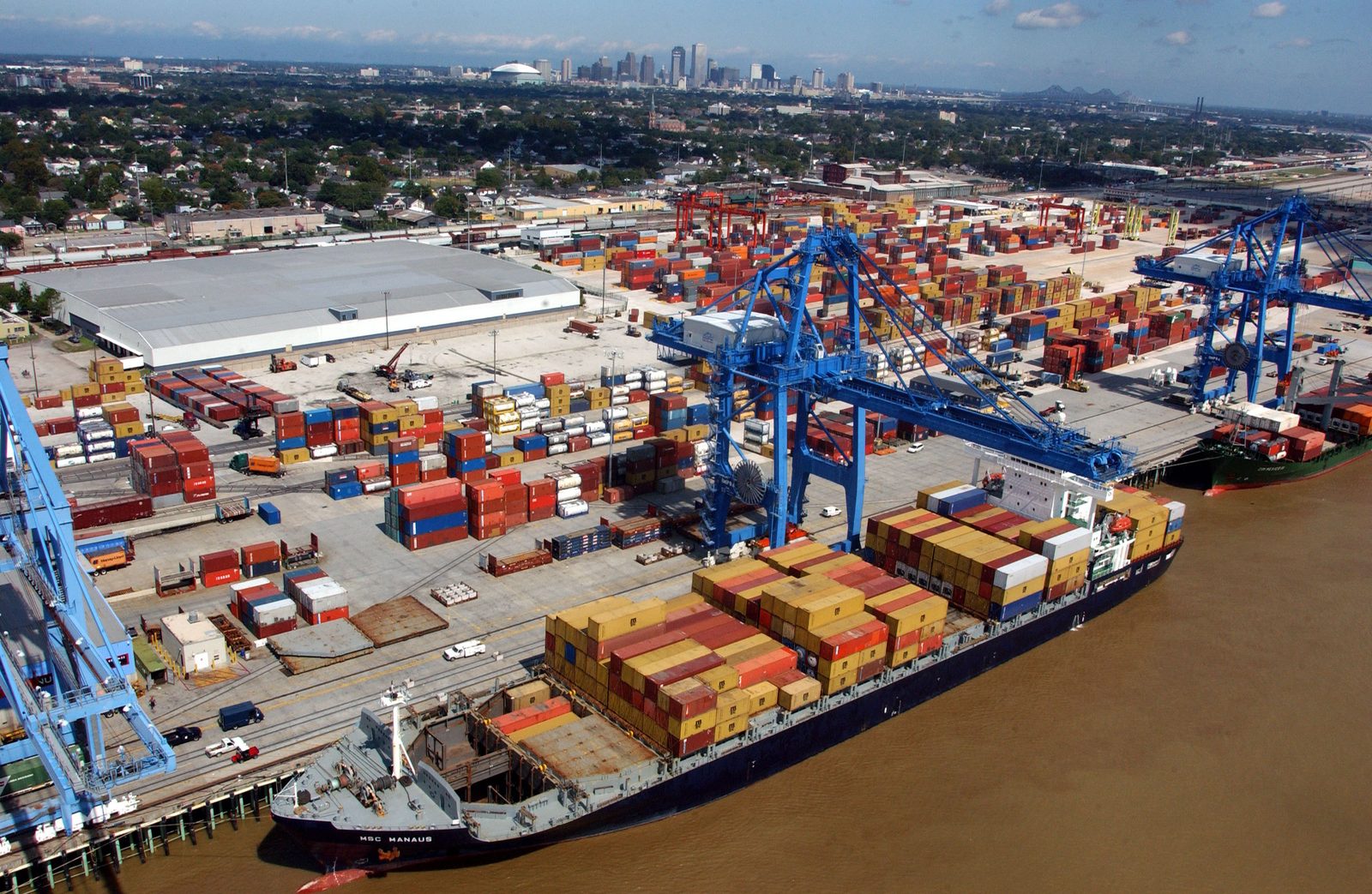
New Orleans exists where it does because of the river, and the port is the institution that turns the river into an economy. The Port of New Orleans is the public agency that manages the cargo terminals along the Mississippi in Orleans Parish, and its business pages describe the operation in plain categories: container terminals, breakbulk terminals, and connections to rail, road, and river barge.
The vocabulary matters. Containerized cargo is the steel box everyone recognizes. Breakbulk is cargo loaded individually rather than in containers: steel, lumber, paper, project cargo, the heavy and awkward goods that need cranes and open wharves. The port's terminals handle both, and its capabilities pages list the intermodal connections, rail, truck, and barge, that move goods beyond the wharf.
Why the location still wins
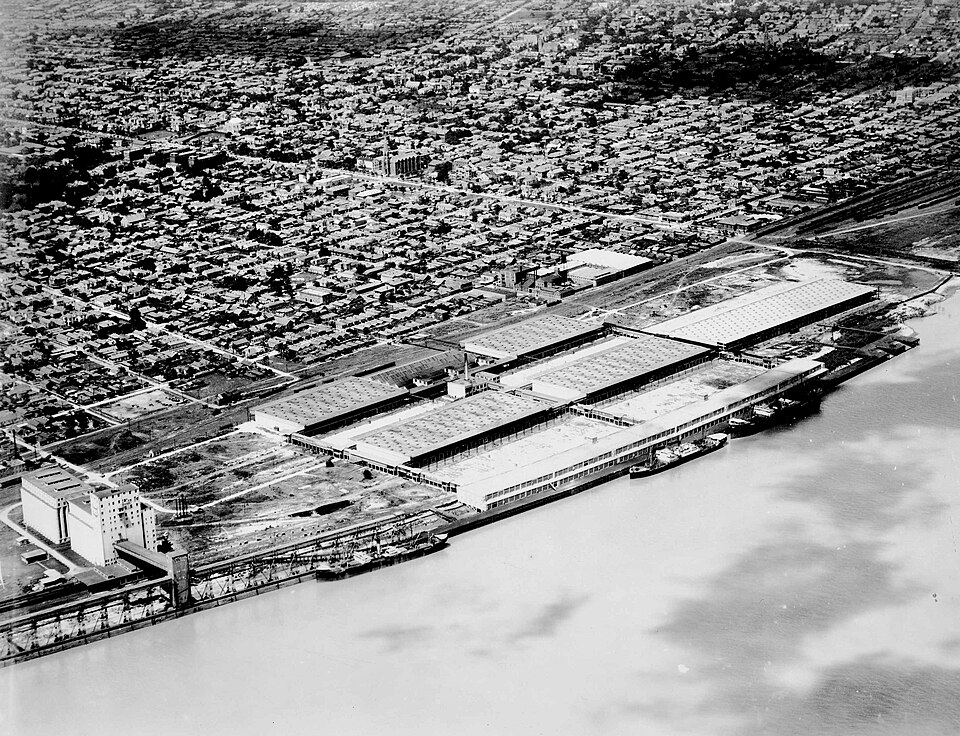
The port sits near the mouth of the Mississippi River system, which drains the American interior. Barges that float down from the Midwest meet ocean-going ships here, and the transfer between them is the port's oldest business. An aerial photograph of the Uptown port facilities from 1922 shows the same basic arrangement working a century ago: wharves, warehouses, and the river doing the heavy lifting.
That geography is why the port's own materials emphasize intermodal reach. Cargo that arrives by ship can leave by rail or barge for the interior, and cargo from the interior can reach a ship without ever touching a highway. Each mode has its economics, and the port's job is to make the handoff between them cheap and fast.
What it means for the city
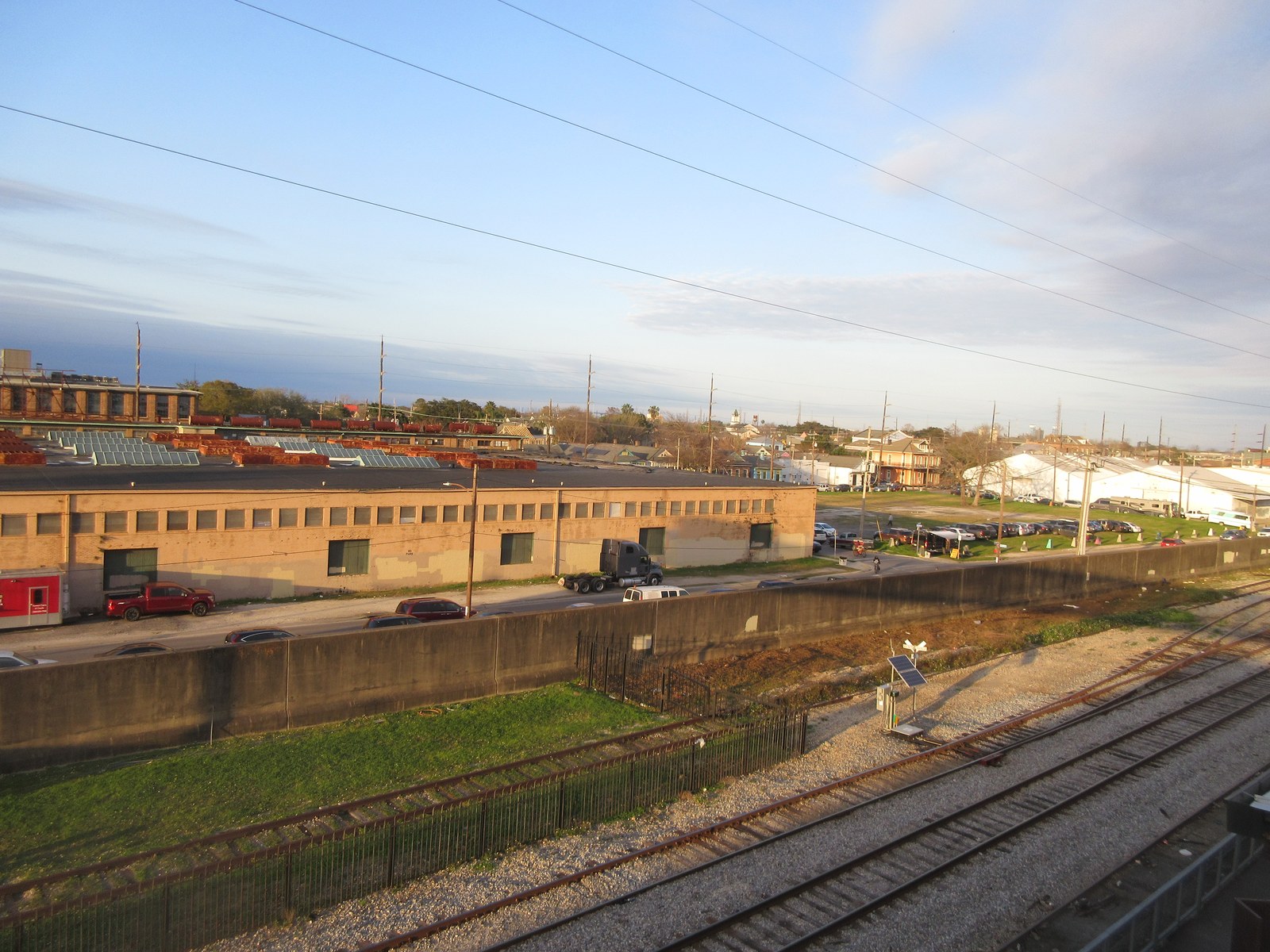
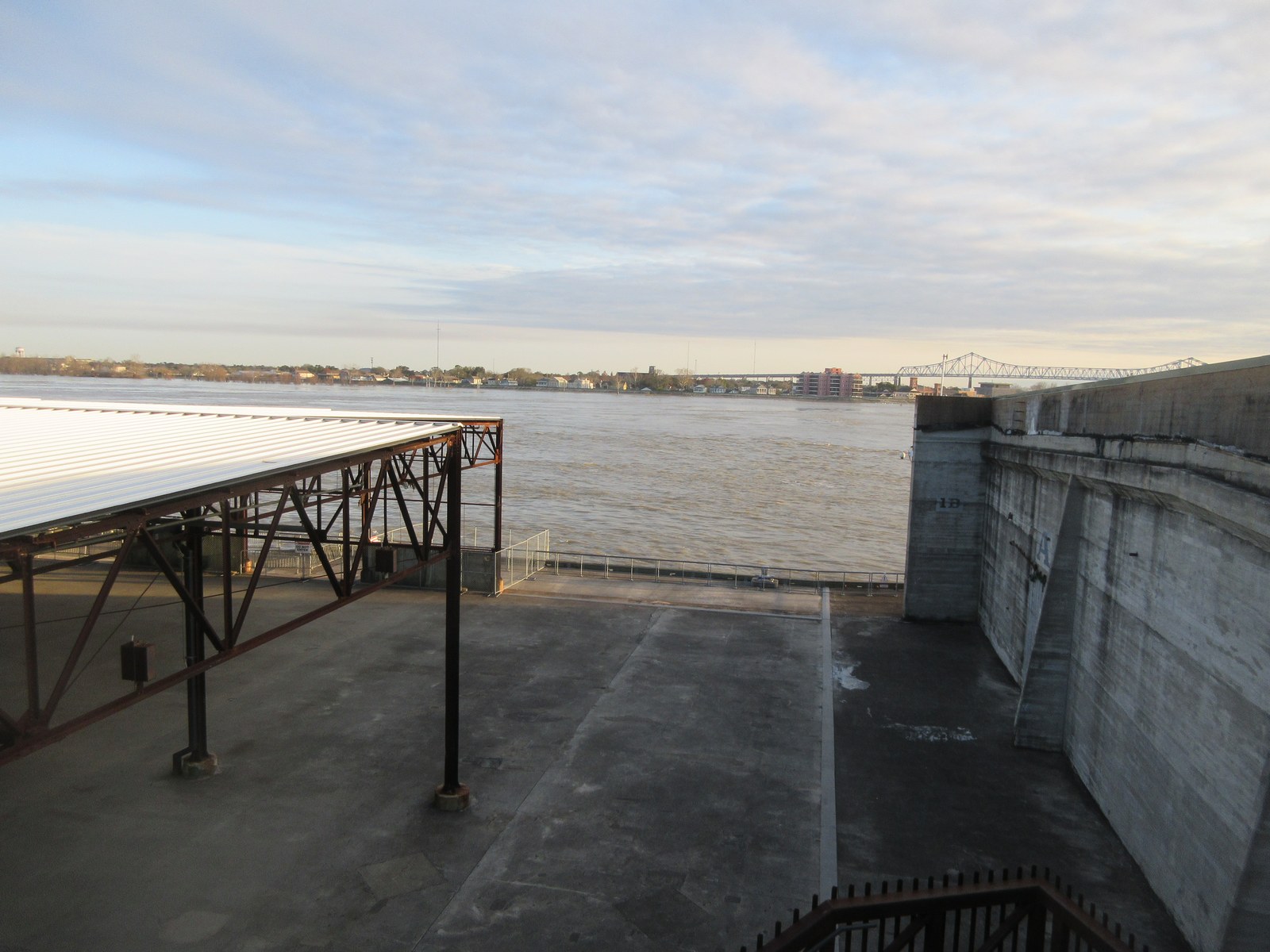
For New Orleans, the port is both an employer and a landlord of the riverfront. The working terminals sit alongside public riverfront, like the Crescent Park stretch between the Quarter and Bywater, where former industrial wharves became civic space. The tension between a working river and a public river is the port's permanent balancing act, and it plays out in terminal leases, riverfront planning, and the city's long argument about what the Mississippi is for.
If you want to understand the local economy, start at the river. Watch a container ship turn at the terminals, note which wharves are working and which are parkland, and remember that every barge in the channel is part of a system that made this city before the city had a name for it. The port's business pages are the best first stop for the current terminal and capability details.
None to date. The Tribune corrects errors promptly and transparently. Read our corrections policy.