A newcomer's guide to New Orleans
The practical first month: city services, getting around, storm season, and the vote. Everything here is the unglamorous stuff that makes the city work.
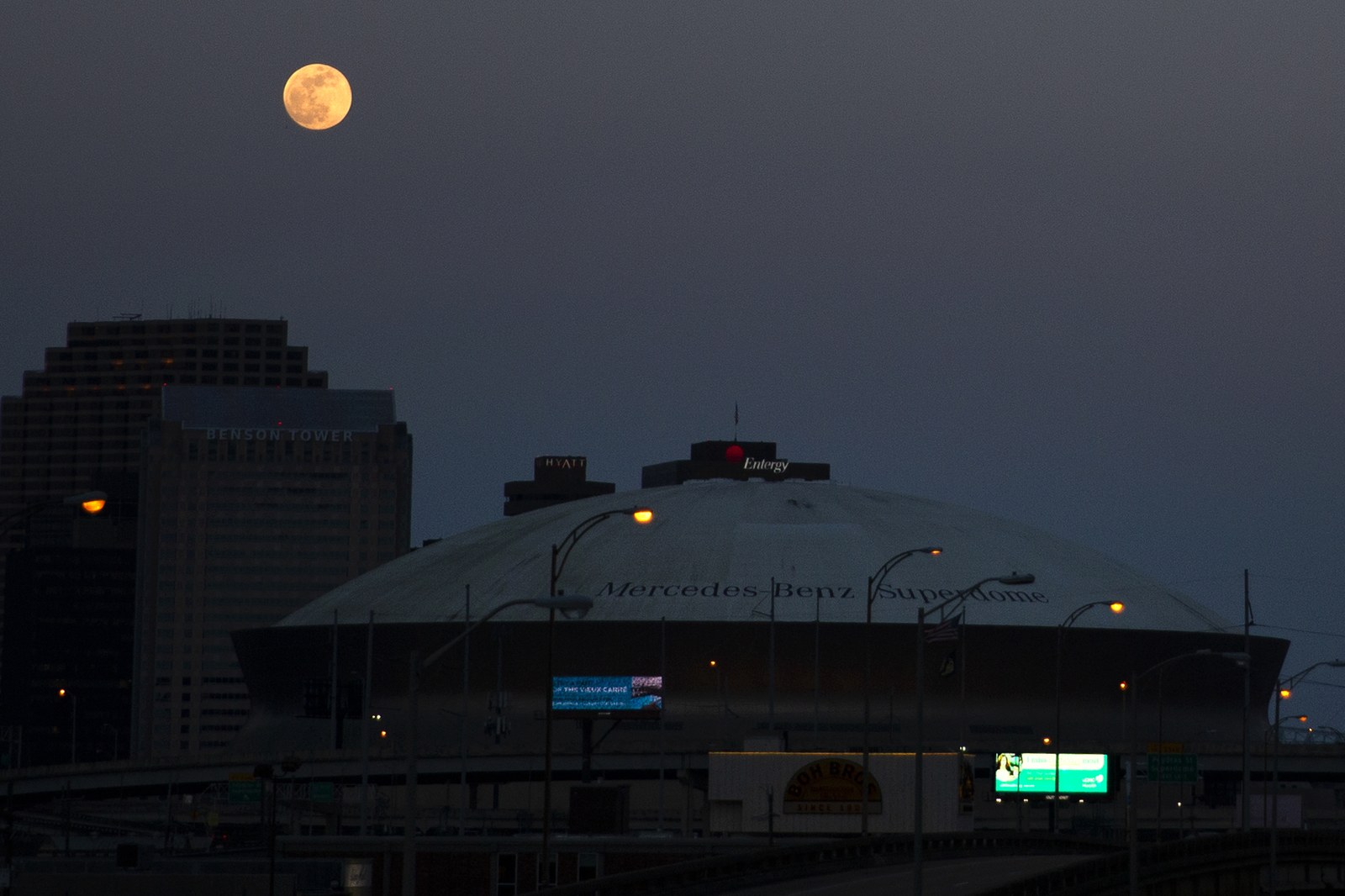
Welcome. New Orleans rewards newcomers who learn the practical layer first, because the practical layer here has more personality than most cities' tourist layer. This guide covers the first month: how to reach the city, how to get around it, how to prepare for storm season, and how to vote.
Start with 311
NOLA 311 is the city's non-emergency gateway for government information and service requests. Missed trash pickup, a broken streetlight, a question about permits: 311 is the front door, and the city's 311 page explains what it handles and how to reach it. For genuine emergencies, the emergency number is what it is everywhere else.
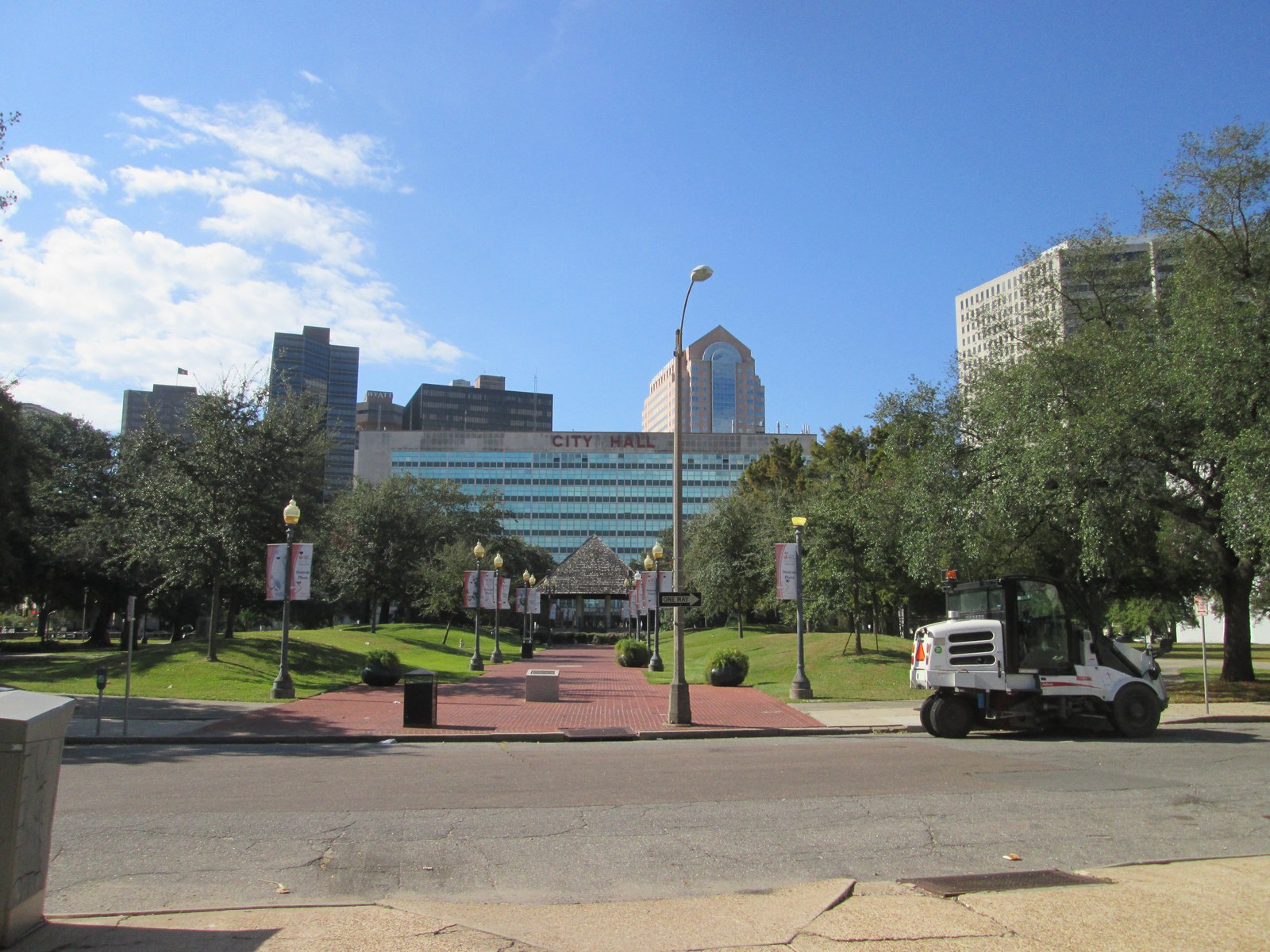
The companion habit is knowing your parish. New Orleans and Orleans Parish are one consolidated government, so most city business runs through City Hall and the council. Our guide to parishes explains the system, and our events page collects the recurring public meetings, council, school board, utility board, where the city's decisions get made in the open.
Getting around
The New Orleans Regional Transit Authority runs the buses, streetcars, ferries, and paratransit that make up the public network. The streetcars are the famous part, but the buses do most of the work, and the ferries cross the river to Algiers Point. The RTA has been expanding service in recent years, and its news page is the authoritative place to check what is running now.
Learn the street grid by neighborhood, not by address book. Uptown, the Marigny, Mid-City, and the West Bank are different cities in practice, and locals navigate by landmarks and corner stores. Give yourself a month of wrong turns; everyone gets them.

Storm season is a calendar, not a surprise
Hurricane season runs June through November, and preparation is a civic routine, not a panic response. The city's preparedness guidance covers the essentials: sign up for emergency alerts, know the shelter and evacuation planning for your household, keep supplies on hand, and consider registering with Smart911 so first responders have your information if you call.
The drainage system is part of the same story. New Orleans sits below sea level behind levees, and its pump stations, some of them more than a century old, move rainwater out of the bowl. When a storm approaches, the city's guidance and the Sewerage and Water Board's updates are the two sources to watch, in that order.
Vote and get heard
Louisiana runs its elections through GeauxVote, the state's voter portal, where you can register, check your registration, and find what is on your ballot. New Orleans votes often, on millages, amendments, and local offices that directly set the budgets this paper covers, so registration is worth doing in your first week, not your first year.
Then show up. Council sessions, board meetings, and neighborhood association gatherings are public, and they are where the city explains itself. Read the agenda the night before, sit in the back the first time, and introduce yourself to exactly one person. That is the whole method. Welcome to New Orleans.

None to date. The Tribune corrects errors promptly and transparently. Read our corrections policy.