Second lines and social aid clubs, explained
The brass band, the dancing street, and the century-old clubs behind it all: a plain-language guide to the city's most joyful institution.
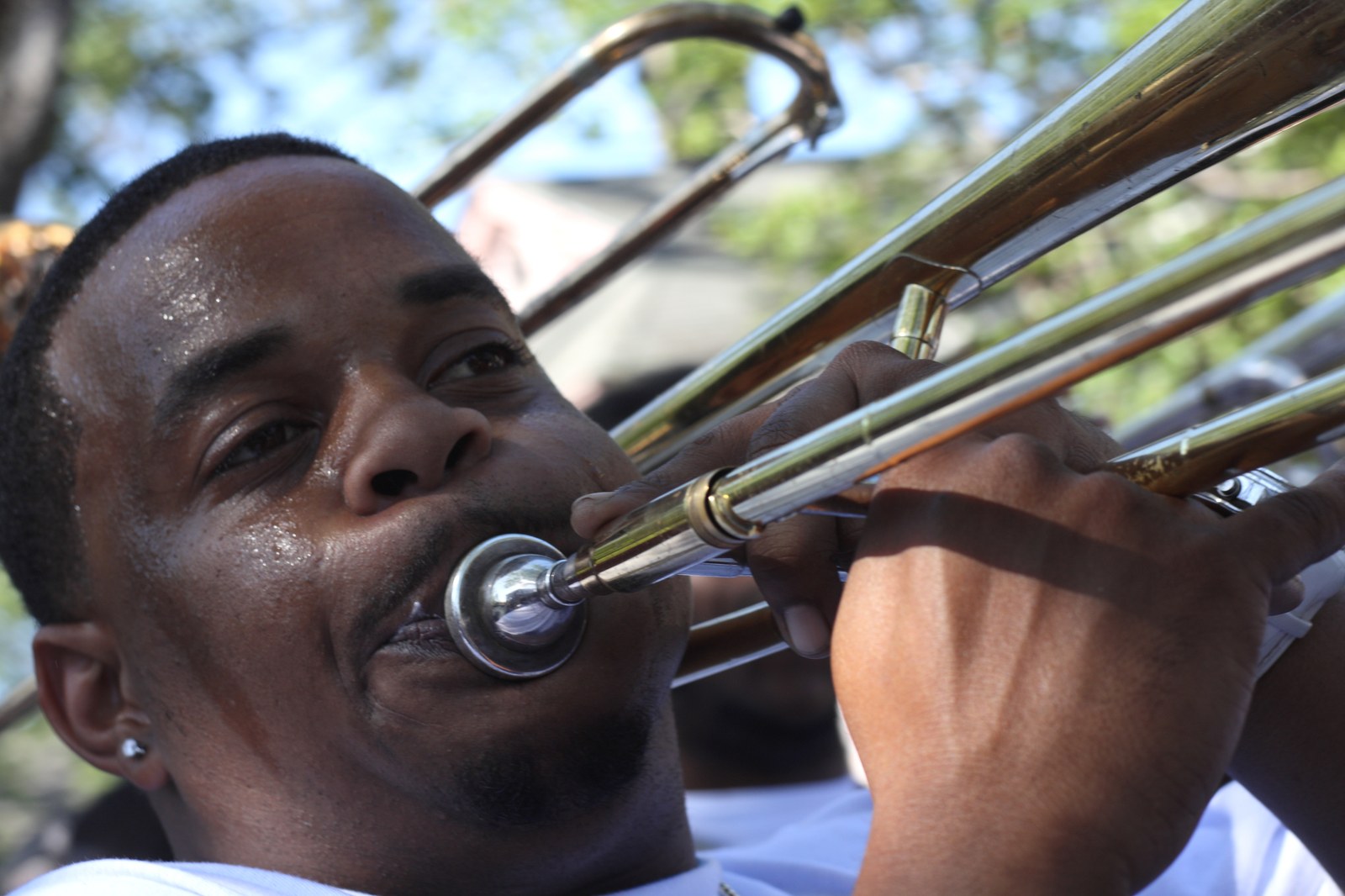
On most Sundays from fall through spring, somewhere in New Orleans a brass band turns a corner and a street fills with dancers. That is a second line: a parade organized by a Social Aid and Pleasure Club, and the most public expression of a mutual-aid tradition more than a century old.
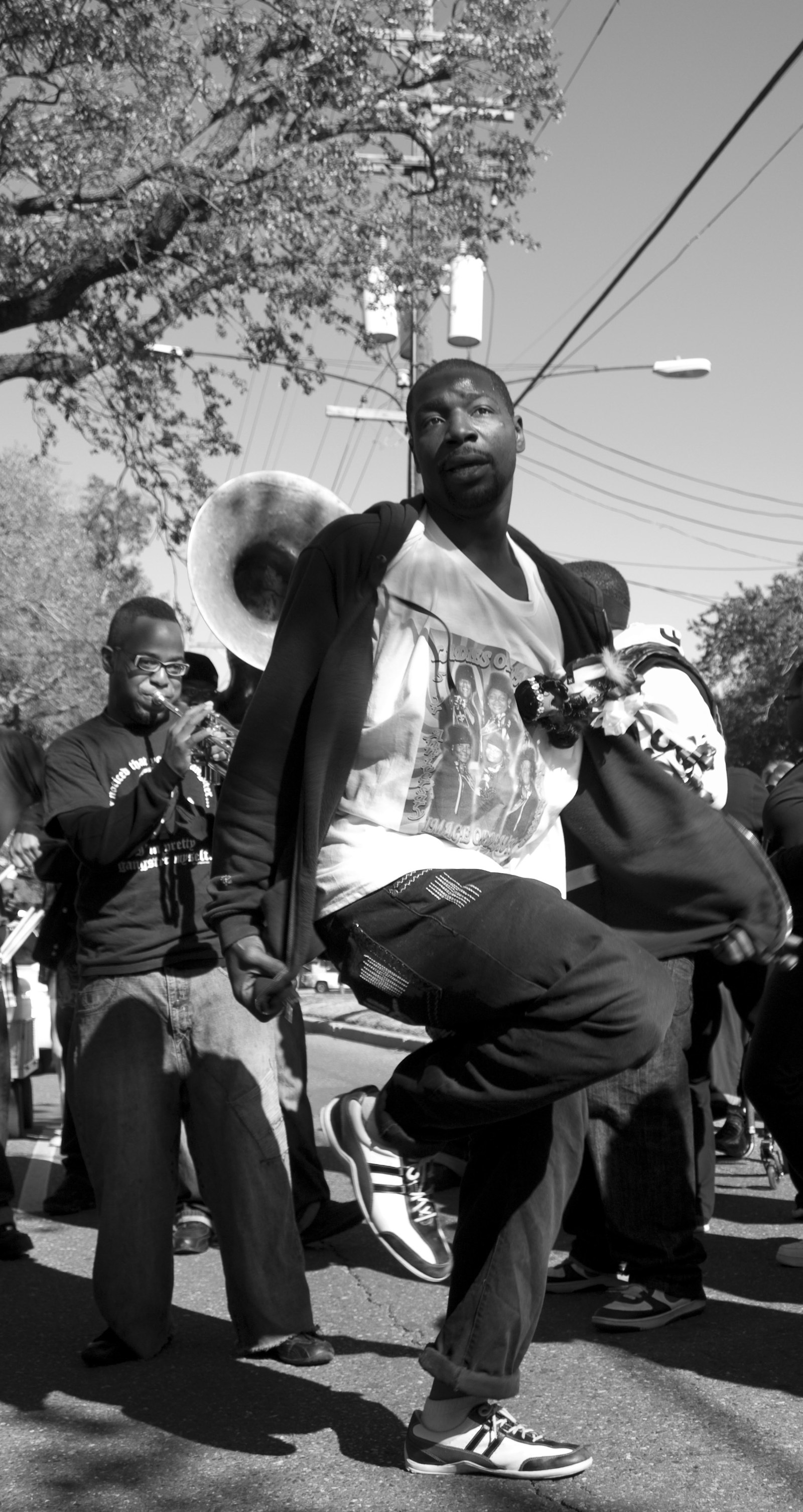
The vocabulary is precise. The 'first line' is the club itself, its officers, and its band. The 'second line' is everyone who falls in behind: neighbors, friends, and strangers who dance along the route with parasols, handkerchiefs, and improvised footwork for as long as the parade lasts.
Why the clubs exist
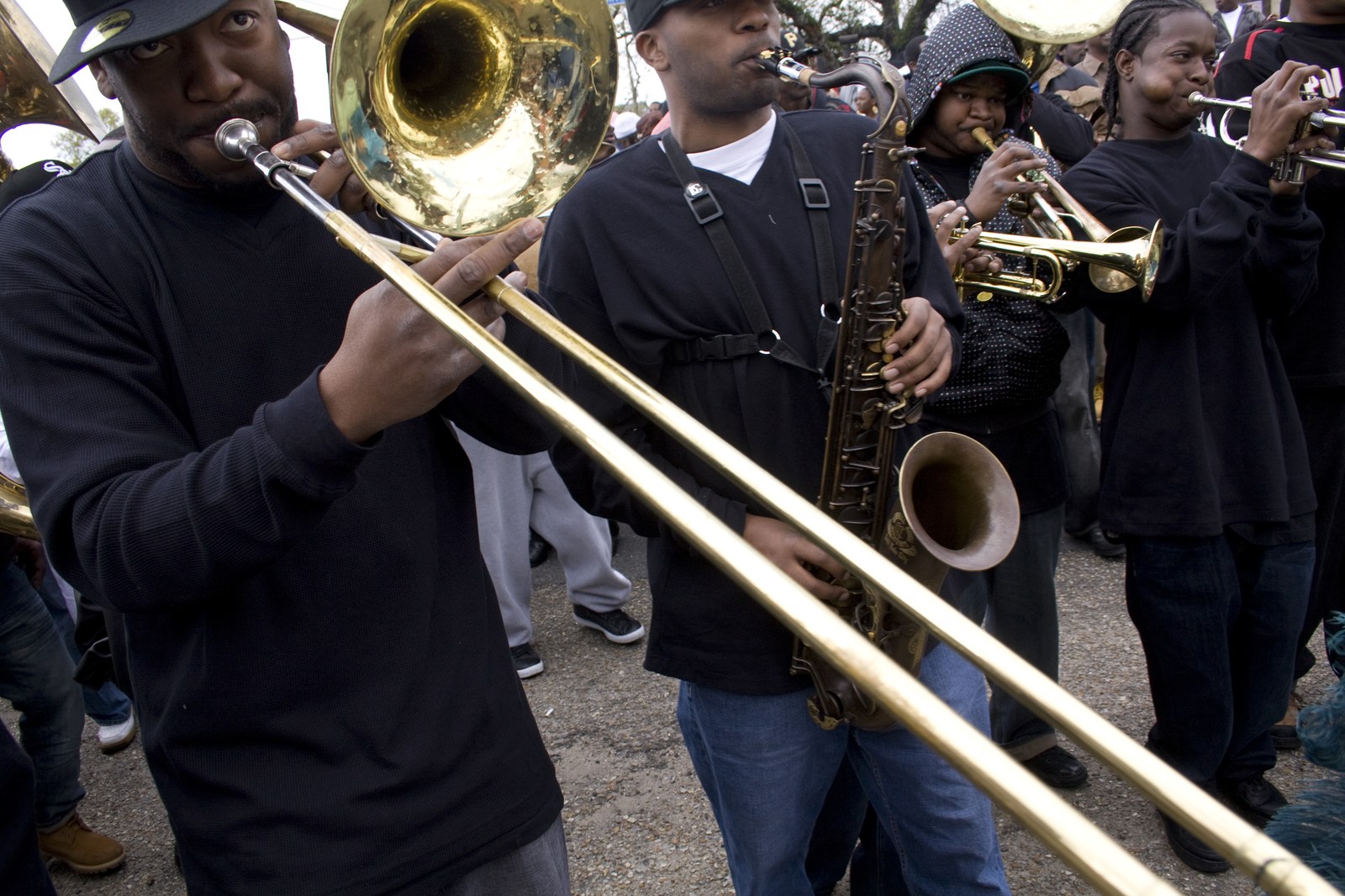
The clubs grew out of Black benevolent and mutual-aid societies formed in the nineteenth and early twentieth centuries. Their central function was burial insurance. Excluded from the ordinary insurance market, Black New Orleanians paid weekly dues into societies that guaranteed a member a proper burial, and the brass band that came with it. The music was part of what had been paid for.
Those societies survive as the Social Aid and Pleasure Clubs, and they are still the institution that carries the practice. Behind them sit older layers: West African funerary processions with music and dance, the drumming traditions that survived in Congo Square, and the city's brass-band culture. But the reason the parades happen, season after season, is organizational: a club that collects dues, plans routes, and turns out its members.
The Sunday ritual
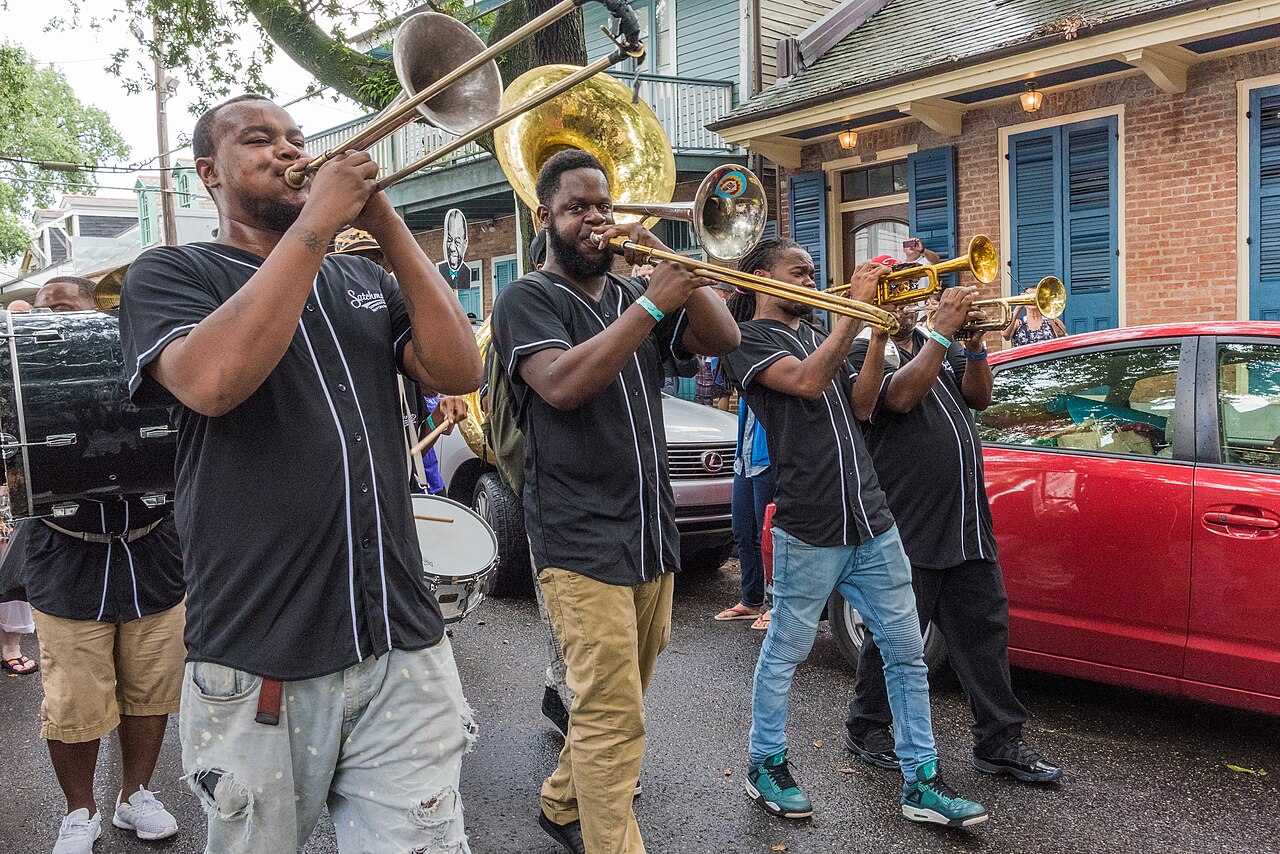
A club's parade is an anniversary event, usually held on a Sunday, with the route running through the neighborhood the club calls home. The band leads, the club's divisions follow in matching suits, and the second line forms behind them. The dancing is participatory by design: there is no audience section, and falling in is understood as a way of paying respects.
The tradition has survived real pressure. After Hurricane Katrina, the city sharply increased the police escort fees required for parade permits, a burden that nearly priced volunteer neighborhood organizations out of their own streets. A coalition of clubs sued with the ACLU of Louisiana in 2006, and the fees were substantially reduced. Keeping a tradition alive in a modern city takes dues, permits, and sometimes lawyers.
How to watch one well
Go on foot, arrive early, and let the regulars set the terms. The route belongs to the club: stay behind the band, keep the corners and the bars clear for the divisions, and follow the lead of the people who do this every week. Buy from the corner stores along the route, tip the band if the hat comes around, and remember that a Sunday second line is a neighborhood event first and a spectacle second. You are welcome in the second line. Act like a guest and you will be treated like one.
None to date. The Tribune corrects errors promptly and transparently. Read our corrections policy.