November ballot asks voters to let public money replace private lead pipes
SB 228 would amend the constitution to allow public funding for finding and replacing lead service lines on private property.
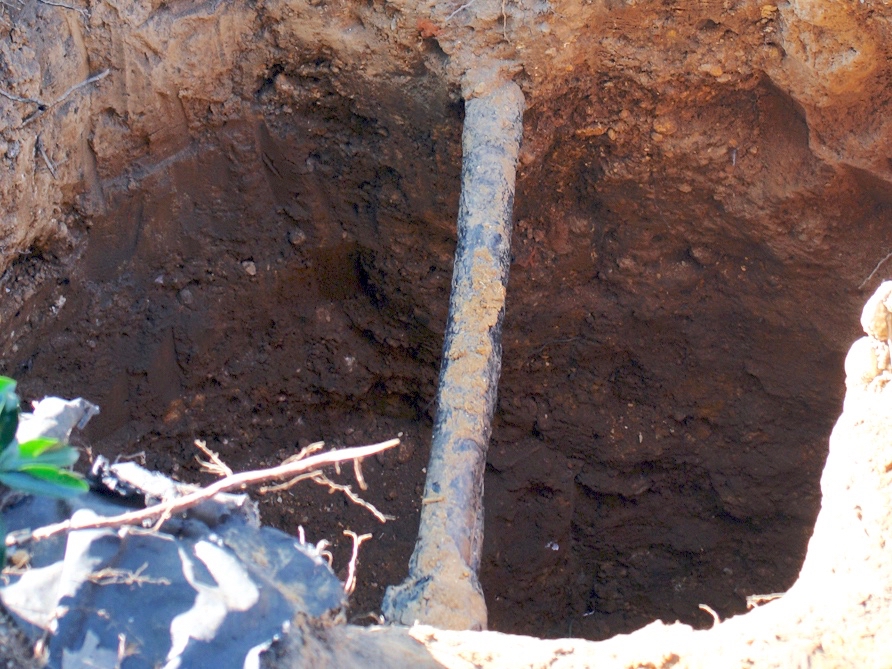
NEW ORLEANS: Louisiana voters will decide November 3 whether to amend the state constitution to permit public money to be spent identifying, inventorying, removing, or replacing drinking-water service lines affected by lead on private property.
The measure, placed on the ballot by SB 228, addresses a legal barrier that has complicated lead-pipe replacement programs nationwide: the lines that carry water from the street main into a home often sit on private property, where public spending has been constitutionally restricted.
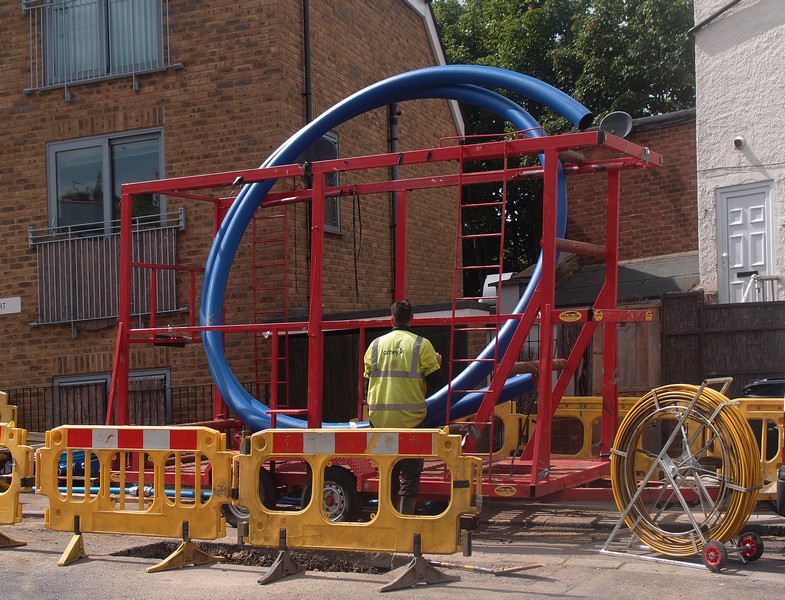
The constitutional question is narrow but decisive. Louisiana's constitution restricts the use of public funds on private property, and the service line that runs from the water main to a house meter typically sits on the customer's side of the property line. Federal lead-pipe programs have increasingly required utilities to replace the full line, both the utility-owned and customer-owned portions, and the amendment would let Louisiana programs follow that model.
In New Orleans, the stakes are measured in billions. The Sewerage and Water Board has estimated its lead-service-line replacement program at $1.1 billion, part of a $1.7 billion, 30-year capital program for a system in which 34 percent of transmission mains are more than a century old. Replacing those mains alone is estimated at $680 million.
The Sewerage and Water Board's inventory work is already underway, and the scale of the system's age problem frames the stakes. Thirty-four percent of the city's transmission water mains are more than a century old, and replacing those mains alone is estimated at $680 million. The lead lines are the most urgent slice of a much larger rebuilding job.
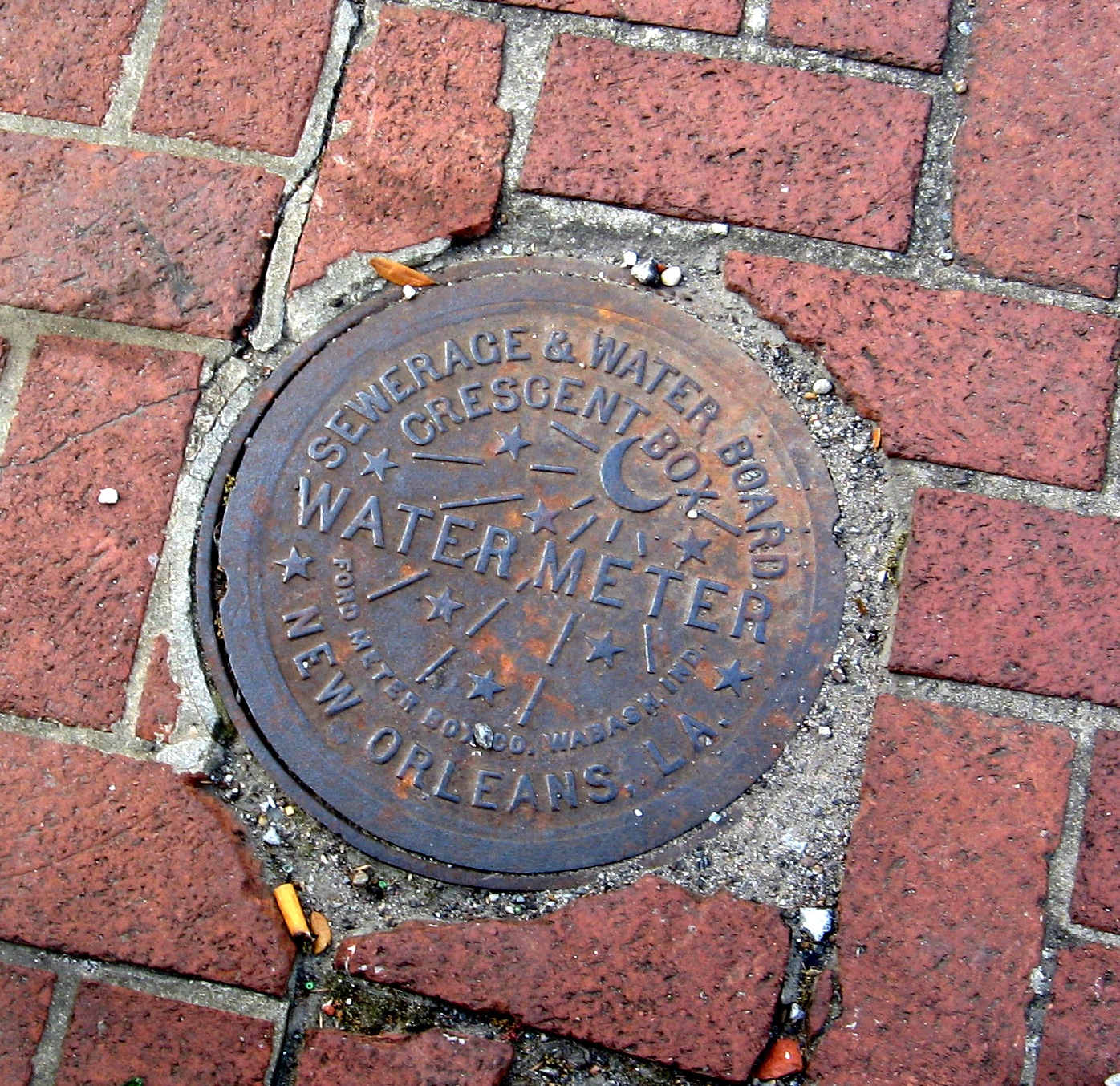
The board has secured $152 million in drinking-water revolving funds, a down payment on work that will take decades. It is also building a $300 million power complex to run its drainage and water systems, the generation backbone for the pumps that keep the city dry.
A yes vote would not appropriate a dollar; it would remove the constitutional obstacle to spending public funds on private-side lines. Federal lead-pipe programs have increasingly required full replacement, both the utility-owned and customer-owned portions, and the amendment would let Louisiana programs follow that model.
For a city whose water infrastructure predates the automobile, the amendment is less about one election than about whether the next thirty years of pipe replacement can actually reach the pipes that matter most: the ones under people's front yards.
A yes vote would not spend a dollar by itself. It would remove the legal obstacle, leaving the harder questions, where the money comes from and whose pipes get replaced first, to the Legislature and to utilities like the Sewerage and Water Board, which has secured $152 million in drinking-water revolving funds as a down payment on a $1.1 billion job.
None to date. The Tribune corrects errors promptly and transparently. Read our corrections policy.