Tulane's Future of Energy Forum wraps Wednesday after three days of grid, data center and affordability talks
More than 150 energy leaders, policymakers and researchers spent Sept. 28 through Sept. 30 on Tulane's uptown campus, with the Tuesday session on power prices, data centers and grid affordability landing squarely on questions New Orleans is already debating.
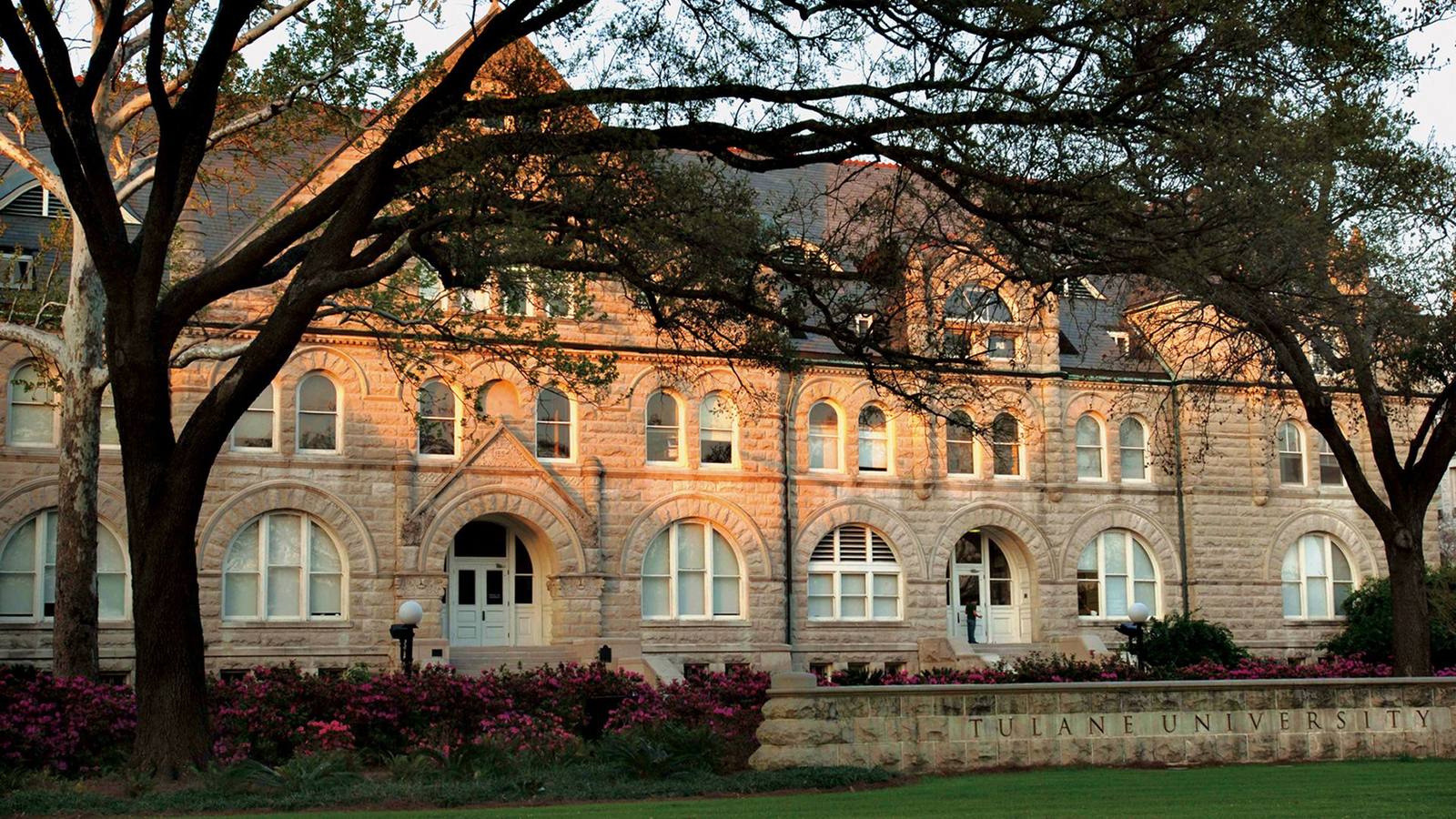
NEW ORLEANS: Tulane University closes its third annual Future of Energy Forum on Wednesday, wrapping three days of sessions on the uptown campus that brought more than 150 global energy leaders, policymakers, investors, researchers and technology experts to New Orleans.
The forum ran Sept. 28 through Sept. 30 around the Berger Family Lawn on the uptown campus, and was free and open to the public, with registration required and seating available on a first-come, first-served basis. The 2026 theme was "Connected Power: Connecting Leaders. Powering Progress," framing more than 40 sessions on the forces reshaping the global energy landscape.

Keynote sessions featured David LaCerte, commissioner of the Federal Energy Regulatory Commission; Jason Wells, chair, president and CEO of CenterPoint Energy; and Jonathan Brightbill, general counsel of the U.S. Department of Energy.
"The decisions being made about energy today will shape economies, communities and global competitiveness for generations," Tulane University President Michael A. Fitts said. "Tulane's Future of Energy Forum brings the leaders driving those decisions together for conversations with enormous national and global implications. There is no better place for such dialogue than here in a region that has long helped power the nation and is now helping define what comes next."
One of the most locally relevant sessions, "Power Prices, Data Centers and the Future of Grid Affordability," took place Tuesday, Sept. 29. The panel examined growing electricity demand from data centers and what that demand could mean for the power grid and consumers. Scheduled participants included Louisiana Public Service Commissioner Jean-Paul Coussan, Joshua Hodge of the MIT Center for Energy and Environmental Policy Research, and Greg Upton, executive director of the Energy Institute at LSU.

In Tulane's framing, the session examined how rapid growth in data centers, industrial demand and grid expansion is reshaping electricity pricing and long-term system planning, asking what is driving rising power costs and how regulators, utilities and policymakers can balance reliability and affordability while supporting economic growth. The conversation arrived as New Orleans continues its own public debate over data center development and the infrastructure, land-use and energy questions that come with it.
Water was also on the agenda. The session "Protecting Louisiana's Water Resources to Secure Energy: AI, Water and Infrastructure Resilience" examined the relationship between AI, energy development, water demand and infrastructure resilience, with scheduled participants including Newsha Ajami of the Stanford Doerr School of Sustainability, Tulane professor Ibrahim Demir, and Braeden Smith, chief resilience officer in Gov. Jeff Landry's administration.
New Orleans City Council member Aimee McCarron was scheduled to join "Community-Engaged Energy Transitions," a discussion focused on the role communities play as energy systems and infrastructure change, and Council President JP Morrell was also on the forum's speaker lineup.
Another session turned attention toward one of downtown New Orleans' most recognizable vacant properties: "Reimagining Charity Hospital: Building the Future of Downtown New Orleans" examined the future of the former Charity Hospital building, with scheduled speakers Andrew Chaveas of Brailsford & Dunlavey and Patrick Norton, Tulane University's senior vice president, chief operating officer and treasurer.
The broader schedule included conversations about nuclear energy, offshore oil and gas, offshore wind, liquefied natural gas, utility-scale solar, grid-scale batteries, critical minerals, AI, energy infrastructure and financing emerging energy technologies. The forum also featured The Exchange, a space for networking, career exploration and presentations of research, technology and emerging ideas from academia and industry.
Tulane launched the Future of Energy Forum in 2024 to connect global expertise with the opportunities and challenges facing Louisiana and the Gulf South. Last year's edition attracted more than 1,700 participants and more than 125 speakers.
Tulane describes the forum as a way to connect people across sectors while examining how energy systems are changing and what those changes could mean for communities, businesses and consumers.
None to date. The Tribune corrects errors promptly and transparently. Read our corrections policy.