Rust in the siphon bells: the pump question hanging over hurricane season
Assessments of the aging drainage machinery fit inside the current budget. Repairs could run to $15 million.

NEW ORLEANS: The machinery that keeps New Orleans dry is fighting rust. Assessments of corrosion in the siphon bells of the city's drainage pump stations fit within the Sewerage and Water Board's current budget, but officials acknowledge that actual repairs could cost up to $15 million.
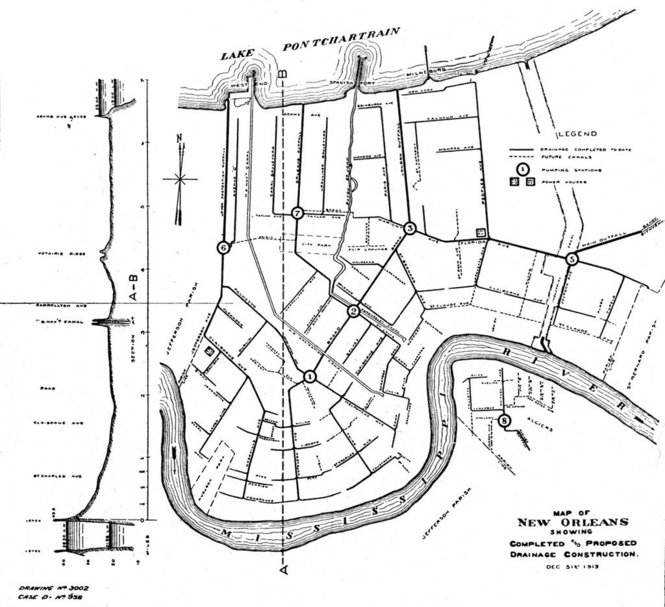
The scale of what the pumps do is hard to overstate. New Orleans sits in a bowl, much of it below sea level, and the drainage system lifts stormwater out of that bowl and pushes it into Lake Pontchartrain. The system was recognized as a historic civil engineering landmark, a tribute to machinery that has been doing this work for more than a century.
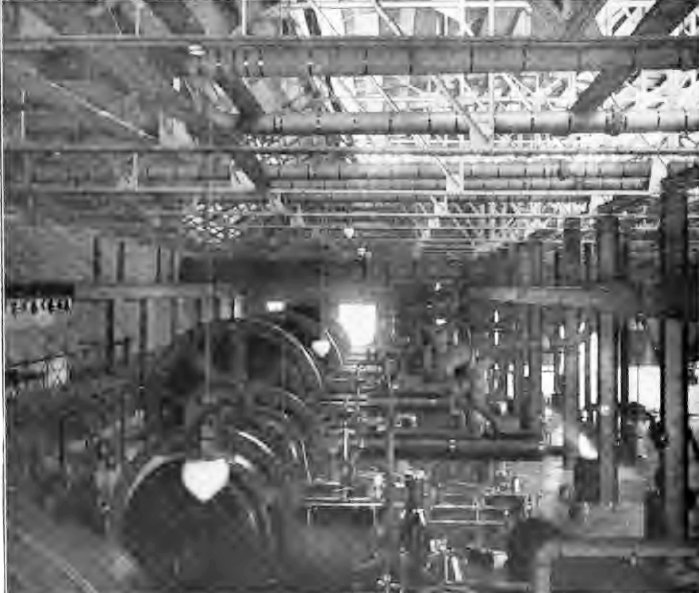
The siphon bells sit at the start of that chain. They are part of the intake assemblies that feed the pumps, and corrosion there is the kind of slow failure that hides until the system is asked to work hardest, which is to say, during the heaviest rain of hurricane season.
The siphon bells are part of the intake assemblies that feed the city's massive drainage pumps, some of the largest in the world, which lift stormwater out of a city that sits below sea level and push it into Lake Pontchartrain. Corrosion in those assemblies is the kind of slow failure that does not announce itself until the pumps are asked to work hardest.
The corrosion assessments arrive alongside the board's larger capital ambitions: a $1.7 billion, 30-year capital program and a $300 million power complex meant to give the drainage and water systems reliable electricity of their own. Thirty-four percent of the city's transmission water mains are more than a century old, and replacing those mains is estimated at $680 million.
The corrosion question arrives as the board pursues a $1.7 billion, 30-year capital program and a $300 million power complex to supply reliable electricity to the drainage and water systems. Thirty-four percent of the city's transmission water mains are more than a century old, a measure of how much of the system predates modern materials and modern maintenance schedules.
The assessments now underway will determine the scope of the siphon-bell repairs and whether the $15 million figure holds. For a city in hurricane season, the question is not abstract: every pump station matters when the rain comes fast, and the margin between a working system and a flooded street can be a single corroded part.
The board has said the assessment work is covered by existing funding. What happens after the assessments, and what it costs, will be one of the utility stories to watch this fall.
The board has said the assessment work fits within existing funding. The repairs, if the $15 million figure holds, will have to be found somewhere, and the timing matters: every hurricane season is a test the system cannot afford to fail.
None to date. The Tribune corrects errors promptly and transparently. Read our corrections policy.